Why Cuts Work: The Science and Psychology of Film Editing
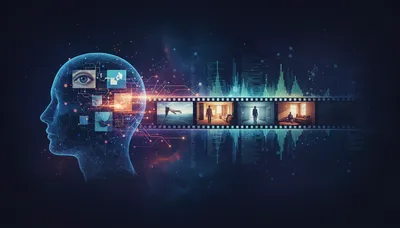
A deep-dive into the psychological, neurological, and artistic principles behind why film editing works — from Soviet montage theory and the Kuleshov effect through Hollywood's invisible continuity system to Walter Murch's Rule of Six and modern neuroscience research on how the brain processes cuts. Built for editors of any level who want to understand the deeper craft beneath their tools.
Sign up free to unlock:
- Track your progress across courses
- Request & vote on new courses
- Highlight text, take notes & bookmark
- Get personalized recommendations
- Build your public learning profile
Already have an account? Log in
Course Content
Sources & References
This course draws from the following sources. Visit them for additional depth.
- 🔗
- 🔗
- 🔗
- 🔗frontiersin.org — Full ↗webpage
- 🔗
- 🔗
- 🔗
- 🔗nfi.edu — Kuleshov Effect ↗webpage
- 🔗
- 🔗
- 🔗
- 🔗
- 🔗
- 🔗
Students Also Studied
 intermediate
Watching Films Like a Film Student: A Complete Guide to Cinema Appreciation
Transform passive viewing into deep, conscious engagement with cinema. This course teaches you the formal vocabulary of film — framing, lighting, editing, sound, color, narrative, and auteur style — so every movie you watch becomes richer, more meaningful, and more rewarding. No prior film study required.
 mixed
mixedLabubu, Bearbrick, and the Psychology of Collectibles
Explore the world of designer collectible toys — from the origins of Labubu and Bearbrick to the psychology of why humans collect, the economics of scarcity, and the cultural forces that turn plastic figures into cultural phenomena. This course blends art history, marketing strategy, and behavioral psychology into one engaging journey through collector culture.
 beginner
Sounds from the Future: A Complete History of Electronic Music
From a mysterious Soviet inventor in 1920 to the billion-dollar EDM industry of today, this course tells the full story of how humans learned to make music from electricity itself. No prior music knowledge needed — just curiosity about one of the most revolutionary art forms ever created.
Want a course that doesn't exist yet? Request one →