The Human Gut: Microbiome Science and What It Actually Means for Your Health
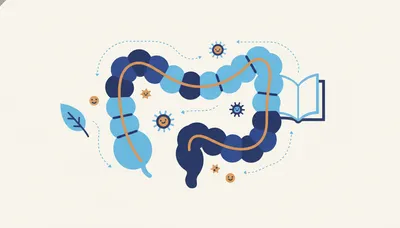
The Human Gut: Microbiome Science and What It Actually Means for Your Health
A rigorous but accessible tour through the science of the gut microbiome — what it is, how it develops, what disrupts it, and what the current research genuinely supports versus what's hype. You'll come away with a clear-eyed framework for evaluating probiotic claims, dietary advice, and the emerging gut-brain connection.
Sign up free to unlock:
- Resume-where-you-stopped listening
- Request & vote on new courses
- Save courses for later listening
- Get personalized recommendations
Already have an account? Log in
Chapters
Click play to listen, or tap a chapter to read its transcript.
1Introduction
There are more microbial cells in your gut right now than there are stars in the Milky Way galaxy. That comparison used to feel like poetic license — the kind of thing a science writer reaches for when the actual numbers are too abstract to land. But the counting got serious, and the comparison held. What's living inside you, concentrated almost entirely in your large intestine, constitutes one of the densest ecosystems anywhere on Earth. And most people know almost nothing about it.
So here is the question this course is going to settle: what does the science of the gut microbiome actually show — not the supplement-label version, not the wellness-blog version, but the evidence as it actually stands — and what does any of it genuinely mean for how you live?
That question turns out to be harder to answer than it looks. Not because the science is thin. The science is extraordinary. But because the gap between what researchers have found and what gets sold back to you is, in this field, unusually wide. That gap is exactly what these fourteen sections are designed to close.
There's a moment later in this course where a clinical trial stopped early — not because it was failing, but because it was working so well that the ethics board decided it would be wrong to keep the control group waiting. The treatment wasn't a new drug. It was a transplant of stool from a healthy donor, and it was curing a dangerous gut infection at rates antibiotics had never come close to matching. That moment is worth sitting with. It says something about how much the microbial community in your gut actually does — and what happens when it collapses entirely.
There's also a section that opens with a headline: "Scientists discover gut bacteria that causes depression." Forty-eight million people saw it. The actual study involved forty-two mice. What it measured wasn't depression — it was a behavior researchers use as a rough proxy for despair-like states in rodents. That gap between headline and study is not an accident. It's a pattern. And once you see it, you can't unsee it.
And then there's the probiotic shelf — that masterpiece of confident language, those fifty-billion-culture promises — which turns out, when the evidence is laid flat, to tell a considerably more complicated story than the packaging suggests.
By the time this course is finished, you'll have a working map of one of the most consequential and most misrepresented areas of modern biology — the knowledge to read a microbiome headline, a supplement claim, or a consumer test result and know, with some precision, exactly how much weight to give it.
2What Is the Gut Microbiome and How Does It Work
There are more microbial cells in your gut right now than there are stars in the Milky Way galaxy — a comparison that used to feel like polite exaggeration until the counting got serious. The actual estimates have been revised downward from older textbook figures, but they remain staggering: research compiled by the NIH Human Microbiome Project puts the microbial load of the human body at roughly the same order of magnitude as the body's own cells, with the vast majority of those microbes concentrated in a single location — the large intestine.
That concentration is the whole story, really. The gut isn't just one convenient habitat among many. It's the densest, most metabolically active ecosystem on or in the human body, and understanding what actually lives there — and how it operates — is the foundation for everything else that follows.
This section covers the vocabulary, the cast of characters, the numbers, and the basic logic of why the gut is so uniquely hospitable to so much life. The taxonomy matters because different kingdoms of microbes do wildly different things, and knowing the difference between a bacterium and a bacteriophage changes how you interpret almost every claim in this field.
Start with the vocabulary, because it's one of those areas where imprecision quietly causes confusion. The word "microbiome" gets used everywhere, but technically it refers to the collective genetic material — all the genes — of the microorganisms living in and on a body. The "microbiota" is the community of organisms themselves: the bacteria, viruses, fungi, archaea, and everything else. In practice, the two terms have blurred together in both scientific literature and popular usage, with "microbiome" functioning as shorthand for the whole enterprise. According to a primer published by the National Institutes of Health, the microbiome strictly speaking includes the organisms, their genes, and the environmental conditions that surround them — but you'll hear researchers use the words interchangeably, and in this course the same flexibility applies, with the understanding that context usually makes the meaning clear.
Now to the cast. Most people, when they hear "gut bacteria," picture the same vaguely hazardous thing — the stuff that causes food poisoning, or the reason to wash your hands. But the microbial community in the gut is wildly diverse, and bacteria are only one chapter of the story. The four major kingdoms of life represented in the gut are bacteria, archaea, fungi, and viruses — specifically a class of viruses called bacteriophages — and each plays a distinct role in the ecosystem's function and stability.
Bacteria dominate in sheer numbers and metabolic output. They are the primary fermenters, the vitamin synthesizers, the immune educators, the gatekeepers against pathogens — all of which get their own treatment in later sections. But the bacterial community itself isn't a single type of organism. It's a complex society of thousands of different species, loosely organized into groups called phyla — a taxonomic level roughly equivalent to the major branches of an evolutionary family tree.
The two phyla that dominate the healthy human gut are Firmicutes and Bacteroidetes. According to research summarized by the European Bioinformatics Institute, these two groups together typically account for around ninety percent of the gut bacterial community in healthy adults. The balance between them has attracted enormous research attention — early studies suggested that shifts in the Firmicutes-to-Bacteroidetes ratio might predict obesity or metabolic disease, though more recent work has significantly complicated that picture, as diversity metrics and context matter far more than any single ratio. That complexity belongs to a later section; for now, the takeaway is simply that these two phyla are the dominant bacterial landlords of the gut.
Beyond those two heavyweights, several other phyla show up consistently across healthy human guts. Actinobacteria, which includes the genus Bifidobacterium — familiar from probiotic marketing — is typically present at lower relative abundance but plays outsized roles in early-life gut development and carbohydrate metabolism. Proteobacteria, a massive and diverse phylum that includes many of the bacteria associated with gut inflammation and infection, tends to be present in small amounts in a healthy gut; its expansion is often a marker of dysbiosis, which is the disruption of normal microbial community structure. Research published in Nature Reviews Microbiology has characterized Proteobacteria blooms as a potential diagnostic signal for intestinal instability, even when the specific disease isn't yet identified. And Verrucomicrobia, a smaller phylum represented mainly by a single species called Akkermansia muciniphila, has attracted enormous interest because of its role in maintaining the mucus layer lining the intestine — a subject that will matter a great deal when gut barrier integrity comes up.
This is where most people assume the story ends — bacteria, various phyla, done. But the full cast is stranger and more interesting than that.
Archaea are the quiet residents that most discussions overlook. They look superficially like bacteria under a microscope, but genetically and biochemically they are a completely separate domain of life — more closely related, evolutionarily speaking, to humans than to bacteria. In the gut, the dominant archaea belong to a group called Methanobrevibacter smithii. Their specialty is consuming hydrogen gas produced as a byproduct of bacterial fermentation, and using it to generate methane. The Human Microbiome Project's characterization of gut archaea found that while archaea make up a small fraction of the total microbial load, they play a disproportionate role in shaping the fermentation chemistry of the gut — because their consumption of hydrogen affects which fermentation pathways bacteria favor, which in turn affects which short-chain fatty acids get produced. Stay with that for one more step: the archaea are essentially regulating the gas pressure in the system, and that pressure determines what the bacteria downstream can efficiently make. It's a subtle but structurally important relationship that gets almost no attention outside specialist literature.
Fungi are another underappreciated kingdom. The mycobiome — the collective fungal community of the gut — is far less species-rich than the bacterial community, but it's not negligible. Candida, Saccharomyces, and Malassezia are among the fungal genera most commonly detected in healthy human guts. Research reviewed in Cell Host and Microbe has shown that the bacterial and fungal communities in the gut interact in ways that matter clinically: when bacterial populations crash — from antibiotics, for instance — fungal populations, particularly Candida species, tend to expand to fill the ecological gap. Understanding the gut ecosystem as exclusively bacterial misses this dynamic entirely.
Then there are the viruses — and this is the part of the gut microbiome story that's genuinely underappreciated even within medicine. The virome of the gut is dominated not by viruses that infect human cells, but by bacteriophages — viruses that infect and kill bacteria. The gut virome is enormous. Estimates published in research from the Salk Institute for Biological Studies suggest there may be ten times as many viral particles in the gut as there are bacterial cells — which, given the bacterial numbers, makes the virome almost incomprehensibly vast. Bacteriophages function as a constant predatory pressure on bacterial populations, selectively killing bacteria and thereby shaping which species thrive and which are kept in check. They also transfer genetic material between bacterial species through a process called transduction, which is one of the mechanisms by which antibiotic resistance genes spread through a microbial community. The virome is one of the least-studied components of the gut microbiome, largely because sequencing it is technically harder than sequencing bacteria, but its regulatory influence on the bacterial community is significant.
So the gut microbiome, fully populated, looks less like a collection of bacteria and more like an interlocking ecosystem with multiple kingdoms checking and balancing one another — bacteria fermenting fiber, archaea regulating fermentation chemistry, fungi filling in where bacteria are absent, and phages pruning the bacterial population continuously. All of this is compressed into a tube of tissue whose total surface area, when the intestinal folds and projections are accounted for, is surprisingly large. According to a review in the American Journal of Clinical Nutrition, the surface area of the human intestine has been estimated at somewhere between thirty and forty square meters, roughly the size of a small studio apartment — which helps explain why the intestine can host trillions of organisms while still maintaining enough barrier integrity to prevent them from simply flooding the bloodstream.
Why is the gut so much more heavily colonized than other body sites? The answer has several parts. First, the gut provides something most body surfaces can't: a continuous supply of undigested dietary material for microbial metabolism. The mouth, skin, and airways offer some substrate, but nothing approaching the volume and complexity of what passes through the intestine. Second, and equally important, the gut is architecturally suited to microbial habitation in a way other organs aren't. The intestinal mucosa — the lining — produces mucus in dense layers that create distinct microbial niches: organisms living right at the epithelial surface occupy a fundamentally different environment than those in the center of the lumen. Research described in the journal Gut Microbes has shown that the species composition of the mucosa-associated microbiome differs substantially from what stool samples reflect, which is one reason fecal analysis — the method behind every consumer microbiome test on the market — only captures part of the picture. Third, the gut is largely shielded from the immune system's most aggressive mechanisms by an intricate tolerance system that the gut microbiota itself helped establish, particularly during early development. The immune system learns, early in life, to tolerate commensal bacteria rather than attack them — a relationship that will get considerably more attention in later sections.
Diversity is the other headline number in gut microbiome research, and it's worth understanding what the term actually means before it starts appearing everywhere. Researchers typically measure two kinds of diversity. Alpha diversity refers to the variety of species within a single sample — from a single person's gut, for instance. A gut with high alpha diversity hosts many different species; a gut with low alpha diversity hosts fewer. Beta diversity refers to the differences in microbial composition between samples — how much one person's gut community differs from another's. Studies published through the Human Microbiome Project found that beta diversity among healthy adults is surprisingly high: two healthy people can have gut microbiomes that look almost nothing alike at the species level, yet both function normally. This makes defining a "normal" or "healthy" microbiome much harder than defining, say, normal blood pressure — and it's a limitation that applies to every consumer test, every research study, and every dietary recommendation in this field.
The human gut is also special in a comparative sense. Compared to the microbiomes of other great apes, the human gut is unusually plastic — meaning it changes more rapidly in response to diet, travel, illness, and antibiotics. Research comparing human gut microbiomes to those of chimpanzees and bonobos, published in Nature Communications, found that humans have lost some of the microbial diversity that characterizes our closest relatives, likely as a consequence of the processed-food diets and antibiotic exposure that have characterized industrialized life for the past century. That loss, and whether it matters, is a thread that runs through almost every subsequent topic in this course.
The numbers are worth sitting with for a moment. Not because memorizing them matters, but because the scale reframes the question. When people ask "does the microbiome affect health?" they are asking whether trillions of metabolically active organisms — organisms that collectively encode roughly a hundred times more genes than the human genome — have any biological consequence. According to the NIH Human Microbiome Project, the collective microbial genome in a single human gut encodes millions of genes, compared to the roughly twenty thousand protein-coding genes in the human genome itself. That ratio suggests not a passenger community but a parallel biological system operating inside the body — one that is, in many respects, doing things the human genome can't do on its own.
That reframe is exactly the foundation this course builds on. The gut microbiome isn't a curiosity or a wellness trend. It's a functional organ — distributed, microbial in nature, but an organ nonetheless — and understanding how it works at the most basic level is what makes everything downstream legible. The next question is how that organ gets built in the first place — which, it turns out, depends heavily on decisions made in the first hours of life.
3How Your Microbiome Develops From Birth to Weaning
Somewhere in the first few seconds of life, the most consequential microbial event of a human existence is already underway. A newborn emerging into the world is not sterile — not quite — but the microbiome that will eventually colonize every surface and cavity of that body is, at the moment of birth, almost entirely unwritten. What gets written in the next few months, it turns out, may influence the immune system, metabolism, and even neurological development for decades to come.
This section follows the microbiome from before birth to the end of weaning — covering the prenatal controversy, the birth canal question, the breast milk debate, and the so-called first thousand days that researchers increasingly describe as a window that, once closed, is very difficult to reopen.
Start with the most contested question: does colonization begin before birth? For most of the twentieth century, the standard answer was no. The womb was considered sterile — the placenta an impenetrable barrier, the amniotic fluid a pristine closed system. That assumption began cracking around 2014 when some researchers reported detecting bacterial DNA in placental tissue, in amniotic fluid, and even in meconium, the first dark stool a newborn passes. The implication was exciting: colonization might start in utero, meaning the microbiome has prenatal roots.
The catch — and it is a significant one — is that detecting bacterial DNA is not the same as detecting living bacteria. Research reviewed in a 2022 analysis published in Cell Host and Microbe found that most of the bacterial signals detected in placental and amniotic samples were likely the result of contamination during sample collection, DNA extraction, or sequencing. The reagents used in these procedures are not sterile environments; they carry trace amounts of bacterial DNA that can show up as apparent signal in what are, in reality, very low-biomass samples. The careful conclusion from the current scientific consensus is that the healthy womb is, for practical purposes, sterile — or close enough to it that any prenatal microbial input is negligible compared to what happens at birth.
This is worth pausing on, because the prenatal microbiome story got significant press coverage when the positive findings emerged, and the corrective — "actually, probably not" — received far less. The science moved; the headlines mostly didn't. Worth knowing that as a frame for evaluating microbiome research more broadly, but that's a topic that gets its full treatment later in this course. For now: the action starts at birth.
And it starts fast. The moment a baby passes through the vaginal canal, it is exposed to an enormous inoculum of maternal microorganisms. According to research published in Nature Medicine, babies born vaginally acquire a microbiome in the first hours of life that closely resembles the maternal vaginal and gut microbiome — dominated by Lactobacillus species and later enriched with Bifidobacterium. These are not incidental passengers. They appear to seed the infant gut with organisms specifically suited to early life, particularly organisms capable of fermenting the complex sugars in breast milk that the infant itself cannot digest.
Babies born by Cesarean section — C-section — acquire a very different starting community. Because they bypass the birth canal entirely, their initial microbial exposure comes primarily from skin, hospital environment, and the air of the operating room. The same Nature Medicine study found that C-section-born infants show higher levels of Enterococcus, Enterobacter, and Klebsiella species — organisms typical of hospital surfaces and human skin — and significantly lower levels of the Bifidobacterium species that dominate vaginally born infants' guts in the early weeks. The difference is not subtle, and it persists. At one month, at three months, and in some studies at one year, the C-section microbiome still looks measurably different from the vaginally delivered one.
The clinical implications of this difference are the subject of intense ongoing research, and they deserve careful framing. C-section rates have risen sharply in many high-income countries over the past four decades, and some researchers have pointed to parallel rises in immune-related and metabolic conditions — asthma, allergies, type 1 diabetes, obesity — and suggested the C-section microbiome disruption may be part of the explanation. A large Swedish registry study cited in a review in The Lancet found associations between C-section delivery and elevated risk of conditions including asthma, obesity, and immune dysfunction in children. The association is real. But association is not causation, and C-sections are performed for medical reasons — preeclampsia, placenta previa, fetal distress — that carry their own risks to mother and child. The microbiome difference may contribute to observed health differences, but it is almost certainly not the only factor, and interpreting the epidemiology requires holding that complexity.
One intervention that has attracted significant research attention is "vaginal seeding" — swabbing newborns delivered by C-section with the mother's vaginal secretions shortly after birth, in an attempt to partially replicate the birth canal exposure. The concept is scientifically logical. The evidence, however, is not yet strong enough to support routine clinical use. A pilot randomized trial published in Nature Medicine found that vaginal seeding did shift the C-section microbiome toward a more vaginally-delivered-infant pattern, but the sample sizes were small and the clinical outcomes — whether the microbial shift translates into health benefits — remain undemonstrated. Multiple professional medical bodies have recommended against routine vaginal seeding outside of clinical trials, partly because maternal vaginal secretions can carry pathogens including group B Streptococcus and herpes simplex virus that pose serious risks to newborns. The research is ongoing; it is not yet ready to be a blanket recommendation.
Now stay with this for one more step — because there is a second birth-period variable that matters at least as much as delivery mode, and it is one where the evidence is considerably stronger. That variable is whether the infant is breastfed, and specifically what breast milk actually contains.
Breast milk is, among many other things, a prebiotic delivery system. It contains a class of complex carbohydrates called human milk oligosaccharides — HMOs — which are the third-most-abundant solid component of human milk after lactose and fat. According to a review in the Annual Review of Nutrition, more than two hundred distinct HMO structures have been identified in human milk, and the infant itself cannot digest any of them. They pass intact to the large intestine, where they serve almost exclusively as food for specific strains of bacteria — particularly Bifidobacterium longum subsp. infantis, a bacterium that appears to have coevolved with humans specifically to metabolize HMOs. B. infantis, as it is commonly abbreviated, encodes a suite of genes that allow it to consume HMOs with extraordinary efficiency, outcompeting many other organisms in the infant gut when breast milk is the primary food source.
The result is that breastfed infants develop a gut microbiome dominated by Bifidobacterium in a way that formula-fed infants typically do not. Research published in Cell Host and Microbe found that this Bifidobacterium dominance is not just a compositional quirk — it is functionally significant. Bifidobacterium species fermenting HMOs produce short-chain fatty acids and other metabolites that appear to lower intestinal pH, creating an environment hostile to many pathogens, and that support the maturation of the intestinal lining. The breastfed gut, in this reading, is not just fed differently — it is shaped differently at a microbial and metabolic level.
Formula-fed infants develop a more compositionally diverse gut microbiome in terms of organism types, which might sound like a good thing — diversity as a value in the microbiome is a theme that runs through a great deal of popular writing on the subject. But diversity in infancy is a different question from diversity in adults, and a number of researchers argue that in the first months of life, the appropriate question is not "how diverse is the community" but "is the community performing the functions the infant needs." A Bifidobacterium-dominated gut that is doing specific developmental work may be more appropriate in a six-week-old than a broadly diverse community that is not performing that functional role. The details on diversity as a metric and its complications belong to a later section — worth knowing this tension exists here.
Formula manufacturers have added HMOs to some modern infant formulas precisely because of this science. According to coverage in the Journal of Nutritional Science, some formulas now include one or two HMO structures — most commonly 2'-fucosyllactose, the most abundant single HMO in human milk — and research has shown these additions do partially shift the formula-fed microbiome toward more Bifidobacterium enrichment. The catch is that human milk contains hundreds of distinct HMOs in varying ratios that differ between mothers, between the same mother's milk at different times of day, and at different stages of lactation. Replicating that complexity in formula remains beyond current manufacturing capability.
This is where the concept of the first thousand days comes into focus — and it is not a marketing phrase. The first thousand days runs from conception through approximately the second birthday. It represents a specific developmental window that has attracted enormous research attention because of evidence that what happens in this window shapes trajectories that persist far into adult life. The World Health Organization and major pediatric nutrition bodies have documented that this window is critical not only for physical growth but for immune programming, metabolic calibration, and neurodevelopment.
For the microbiome specifically, the first thousand days matter because the gut immune system is still being educated. Immune cells in the gut lining — particularly regulatory T cells, which are responsible for preventing inappropriate inflammatory responses — appear to require microbial input during this window to develop properly. Research reviewed in Science Immunology found that germ-free mice — raised without any microbiome — develop severely disordered immune systems, and that colonizing them in the first weeks of life partially rescues immune function, but colonizing them later does not. The timing matters. The hypothesis for humans is similar: early microbial exposure, in the right patterns and with the right organisms, trains the immune system to tolerate the right things and attack the right things. Disruptions to that education — through C-section delivery, formula feeding, early antibiotic use, or combinations of these — may have downstream immune and metabolic consequences.
This concept connects directly to what is sometimes called the hygiene hypothesis — the observation, first articulated by epidemiologist David Strachan in 1989, that children raised in very clean modern environments with reduced microbial exposure show higher rates of allergic and autoimmune conditions. The hypothesis has been refined significantly since its original formulation. The current framing, which researchers sometimes call the "old friends" hypothesis, holds that it is not general dirtiness that matters but exposure to specific ancient microbial communities — the bacteria, helminths, and environmental microorganisms that humans coevolved with over hundreds of thousands of years — that shapes immune tolerance. The first thousand days is the period when that education is most malleable.
Beyond immune programming, there is accumulating evidence connecting infant microbiome disruption to metabolic trajectories. A longitudinal birth cohort study published in Cell Host and Microbe found that infants with lower Bifidobacterium levels in the first months of life showed higher body mass index at age two and higher levels of certain inflammatory markers, though the researchers were careful to note the observational nature of the association. The direction of the effect — whether the microbiome difference causes the metabolic difference, or whether both result from a common upstream factor — cannot be definitively established from observational data alone. But the signal is consistent enough across multiple cohorts that it has driven significant research investment into whether targeted microbiome interventions in early life can alter metabolic risk.
The microbiome's stabilization — the point at which it begins to resemble an adult community — happens largely around weaning, typically between one and three years of age depending on when solid foods are introduced and when breastfeeding ends. Research published in Cell characterizing infant microbiome development found that the introduction of solid foods is among the most dramatic microbiome transitions in a human life. As the diet shifts from milk to plant-based foods, animal proteins, and complex carbohydrates, new ecological niches open in the gut that were not available on a milk-based diet. Organisms capable of fermenting dietary fiber begin to establish. The Bifidobacterium bloom characteristic of breastfed infancy recedes as the dietary fuel for it — HMOs — disappears. Prevotella, Ruminococcus, and other fiber-fermenting organisms characteristic of the adult gut begin to appear and expand.
By age three, the microbiome of a child raised in a high-income, industrialized setting has largely converged toward an adult-like composition, though it continues to refine through childhood. This convergence is not fixed regardless of circumstance — early antibiotic use, which is covered in depth in a later section, can significantly disrupt this trajectory. But the broad arc is: a highly dynamic, rapidly changing, infant-specific community dominated by milk-adapted organisms gives way to a more stable, fiber-adapted adult community, and the transition point is weaning.
One dimension worth holding onto from all of this: the infant microbiome is exquisitely responsive to inputs that parents have some ability to influence — delivery mode to a lesser extent, since that is often determined by medical necessity, but feeding choices and food introduction timing to a greater one. This does not mean formula feeding produces lifelong harm — the evidence does not support that strong a conclusion, and formula has saved the lives of millions of infants whose mothers could not or chose not to breastfeed. What it does mean is that the biological rationale for breastfeeding runs considerably deeper than macronutrient delivery. The milk itself appears to be a sophisticated microbial instruction set, one that took a very long time to evolve and that is still being decoded.
The window between birth and the third birthday is, in the current best understanding of the science, the most consequential period for microbiome development — a time when the community is most plastic, most influenced by inputs, and most consequential in its downstream effects. What happens to the microbiome across the rest of life — through adolescence, adulthood, and old age — is the subject of a later section. The story there is different: the adult microbiome is more stable, more resistant to change, and shaped by longer-running forces. But to understand why any of that matters, it helps enormously to have started here, at the very beginning.
4What Your Microbiome Actually Does for Your Health
Something quiet happens in your large intestine right now, as you listen to this — a fermentation process so fundamental to your health that losing it for even a few weeks leaves measurable damage in its wake. The trillions of microbes living in your gut are not just passengers. They are doing things your own cells literally cannot do.
Most people, when they think about gut bacteria at all, think about digestion in the vaguest sense. Maybe they associate it with bloating, or yogurt commercials, or the slightly uncomfortable fact that they are outnumbered by microbes in their own body. But that framing — bacteria as digestive helpers — undersells the reality by a wide margin. The microbiome runs core infrastructure for your immune system, manufactures vitamins your cells depend on, protects you from dangerous pathogens, and helps regulate the physical barrier between your gut contents and your bloodstream. This section walks through each of those functions in enough detail that you'll understand not just what the microbiome does, but why it matters — and why disrupting it has real consequences.
There are six main jobs to cover here. The first two are chemical: fermentation and vitamin synthesis. The next two are defensive: immune training and colonization resistance. The last two are regulatory: metabolizing drugs and toxins, and maintaining intestinal barrier integrity. Start with the chemistry, because everything else builds on it.
Fermentation, in the gut context, means something specific. It means microbial bacteria — particularly in the colon — breaking down dietary fiber that your own digestive enzymes simply cannot touch. Humans lack the enzymes to break the bonds in most plant fibers. The fiber passes through the small intestine intact, arrives in the colon, and there the bacteria take over. They ferment it — meaning they metabolize it anaerobically, without oxygen — and the byproducts of that process are a family of molecules called short-chain fatty acids. The three that matter most are butyrate, propionate, and acetate. These are not waste products. They are functional signaling molecules with systemic effects, and understanding them is worth spending some real time on.
Butyrate is the one that gets the most attention, and for good reason. As research summarized by the journal Nature Reviews Microbiology has documented, butyrate is the primary energy source for colonocytes — the cells that line the colon. That might sound like a narrow nutritional detail, but it has big consequences. Colonocytes that are well-fueled maintain the tight junctions between themselves, which is what keeps gut contents from leaking into the bloodstream. Colonocytes that are poorly fueled start to fail. Butyrate also has anti-inflammatory properties and plays a role in regulating cell proliferation — healthy turnover of the gut lining — which is part of why it's been studied in relation to colorectal cancer risk. The bacteria that produce butyrate most abundantly include species in the Firmicutes phylum, particularly Faecalibacterium prausnitzii and Roseburia intestinalis. When fiber intake drops, those populations shrink, and butyrate production drops with them.
Propionate and acetate work somewhat differently. Propionate is transported to the liver, where it feeds into glucose metabolism and plays a role in appetite regulation signals. Acetate circulates more broadly in the bloodstream — it's actually the most abundant short-chain fatty acid in human blood — and serves as a fuel source for peripheral tissues as well as a substrate for lipid synthesis. Research cited in a 2019 review in Cell Host and Microbe has linked acetate signaling to immune cell function in ways that researchers are still working to fully characterize. The key point isn't to memorize which does what — it's to understand that these are not passive digestive residues. They're signaling molecules that touch multiple body systems.
One thing worth naming here: the amount of short-chain fatty acids your microbiome produces depends heavily on what you feed it. A diet rich in diverse plant fibers — the substrate for fermentation — supports robust short-chain fatty acid production. A diet low in fiber gives the relevant bacteria little to work with. This is why the fiber conversation in nutrition science keeps coming back to microbiome function, not just to digestion in the traditional sense. More on how diet shifts the microbiome comes in a later section, but it's worth flagging the dependency now, because it clarifies why the fermentation function matters so much in practice.
Now for the vitamin synthesis piece — and this one surprises people. The human gut microbiome synthesizes vitamins that your body needs but cannot make on its own. The two most studied are vitamin K and several B vitamins, including B12, B9 (folate), and B7 (biotin). Vitamin K, specifically the K2 form — menaquinone — is produced by a variety of gut bacteria, and as noted in a 2012 review in Gut Microbes, colonic bacteria appear to contribute meaningfully to vitamin K status, though the extent to which intestinally synthesized K2 is absorbed varies depending on its form and how far down the gut it's produced.
B12 is a more complicated story, and the honest version is nuanced. Bacteria in the gut do synthesize B12, but the synthesis mostly happens in the colon — and the absorption of B12 requires intrinsic factor, a protein produced in the stomach that facilitates uptake in the small intestine. So the bacterially synthesized B12 may not be well-absorbed because it's in the wrong place. This distinction matters: the gut microbiome's vitamin contributions are real, but they don't substitute entirely for dietary intake. People who follow plant-based diets, for instance, still need reliable dietary or supplemental B12 because colonic synthesis alone doesn't bridge the gap reliably. The microbiome is a contributor, not a replacement for a balanced diet.
Folate synthesis is somewhat different — gut bacteria do appear to produce folate in forms and locations that contribute more readily to host status, and some research suggests that the microbiome influences overall folate availability. These vitamin contributions represent one more dimension of why the gut microbiome is doing real biochemical work, not just sitting there being populous.
From vitamins, move to one of the more profound and less-discussed functions: immune system training. The gut is home to the largest concentration of immune tissue in the body — roughly 70 percent of the immune system by some estimates. That's not a coincidence. The gut is where the body conducts its most continuous and demanding challenge: distinguishing between things that should be there (food, commensal microbes) and things that shouldn't (pathogens, toxins). The microbiome plays a central role in teaching the immune system how to make that distinction.
This is particularly true in early life — covered in more detail in the section on early microbiome development — but the immune training function doesn't stop at infancy. Research published in Nature in 2015 demonstrated that specific gut bacteria actively regulate populations of regulatory T cells — a class of immune cells that prevents excessive inflammatory responses. Certain species, including members of the Clostridia class, appear to promote tolerance by inducing regulatory T cell differentiation in the colon. Without those microbial signals, the immune system becomes dysregulated — either underresponsive to genuine threats or overresponsive to harmless ones.
The germ-free mouse model illustrates this dramatically. Mice raised without any gut microbiome — so-called germ-free mice — show profound immune abnormalities: underdeveloped lymphoid tissue, aberrant antibody responses, and a regulatory T cell profile that looks wrong in multiple ways. When these mice are colonized with a single species of bacteria — particularly spore-forming Clostridia — many of those immune abnormalities are corrected. This kind of experimental evidence establishes a causal relationship between microbial colonization and immune function in a way that epidemiological studies in humans can't achieve on their own. It's one of the most compelling lines of evidence that the microbiome isn't just correlated with immune health — it's mechanistically involved in it.
The practical implication is that immune dysregulation — including allergic diseases, inflammatory conditions, and autoimmunity — is now understood to be partly a story about microbial signals that are missing or distorted. The hygiene hypothesis, and its more modern successor the "old friends" hypothesis — which proposes that humans co-evolved with specific microbial partners that shape immune tolerance — is rooted in this biology. As Rook and colleagues have written in the journal Nature Reviews Immunology, the evolutionary argument is that modern microbial deprivation represents a genuine mismatch between the immune system's design specifications and its current operating environment.
The fourth function — colonization resistance — is where the microbiome acts most directly as a defense system. The phrase refers to the commensal microbiome's ability to prevent pathogenic microbes from establishing themselves in the gut. A healthy, dense, diverse microbiome is remarkably good at this. It does it through several mechanisms simultaneously.
First, competition for resources. The gut is a nutrient-rich environment, and the resident microbial community is already occupying it intensively — consuming available substrates, adhering to epithelial surfaces, and filling ecological niches. A pathogen arriving in this environment faces an established, well-adapted community. There isn't much room at the table. Second, the commensal bacteria produce antimicrobial compounds — bacteriocins and other peptides — that directly inhibit pathogen growth. Third, the short-chain fatty acids produced through fermentation lower the pH of the colonic environment, which makes it hostile to many pathogens, including Salmonella species. Fourth, the microbiome communicates with the epithelium and the immune system in ways that prime local defenses before a pathogen even arrives.
The clearest demonstration of what happens when colonization resistance fails is Clostridioides difficile infection — C. diff, as it's commonly called. C. diff is a spore-forming bacterium that is largely harmless when the normal gut microbiome is intact, because it cannot compete. But when the microbiome is decimated — most commonly by broad-spectrum antibiotic use — C. diff spores, which are resistant to antibiotics themselves, germinate and proliferate unchecked. The result can be severe colitis, and in vulnerable patients, it can be life-threatening. According to the CDC's data published in their 2022 antibiotic resistance threats report, C. diff causes nearly 500,000 infections and about 29,000 deaths annually in the United States. This is what absent colonization resistance looks like. The fecal microbiota transplant section later in this course will explore how restoring the microbiome is now the most effective treatment for recurrent C. diff — which is a striking illustration of the colonization resistance concept made therapeutic.
The fifth function is one that genuinely surprises most people: your gut microbiome participates in metabolizing drugs and other compounds you ingest. This isn't a marginal effect — it has real clinical implications. The gut microbiome expresses a collection of enzymes that modify pharmaceutical drugs, dietary compounds, and environmental chemicals. These modifications can activate a drug, deactivate it, change its toxicity profile, or alter how much is absorbed.
One of the best-studied examples involves digoxin, a heart medication that has been used for decades. Research published in Science in 2019 by Haiser and colleagues demonstrated that a specific gut bacterium — Eggerthella lenta — can metabolize digoxin, reducing its availability and potentially undermining its therapeutic effect. Whether this happens in a given patient depends on whether they happen to harbor E. lenta and in what abundance. Two patients taking the same dose of digoxin could end up with dramatically different drug levels in their blood, partly because of microbiome composition. This is not a hypothesis — it's been measured.
The same principle applies in the other direction: some drugs become more active after microbial metabolism. Certain prodrugs — compounds designed to be converted into their active form in the body — depend partly on gut microbial enzymes for that conversion. Beyond pharmaceuticals, the microbiome metabolizes compounds in plants — including polyphenols, the bioactive molecules in many fruits, vegetables, and red wine — into smaller metabolites that are more readily absorbed and biologically active. This is part of why the health effects of polyphenol-rich foods are hard to predict from first principles: what you get out of eating blueberries depends partly on what microbes you have available to process them.
Toxin metabolism is the other side of this coin. Gut bacteria can also modify compounds in ways that produce more harmful metabolites — the conversion of certain dietary amines and bile acids into forms associated with colon cancer risk has been studied extensively. This is the less comfortable part of the story: the microbiome is not inherently detoxifying everything. What it does depends on the community composition, the substrates available, and the microbial metabolic pathways expressed. It's a double-edged capability, and it's one of the reasons that "what your microbiome is doing to your drugs" is now a real subfield of pharmacology.
The sixth and final function is intestinal barrier integrity — arguably the one that ties all the others together. The gut lining is a single layer of epithelial cells, thin enough to allow nutrient absorption but tightly enough sealed — in health — to keep gut contents from entering the bloodstream. The junctions between those cells, called tight junctions, are the physical seal. And the microbiome plays a direct role in maintaining them.
Butyrate, the short-chain fatty acid discussed at the outset, is central here. It fuels the colonocytes and supports tight junction protein expression. But beyond butyrate, the microbiome communicates with the epithelium through a range of molecular signals — including lipopolysaccharide signaling, mucus layer regulation, and interaction with pattern recognition receptors on epithelial cells — that collectively maintain barrier function. Research by Cani and colleagues, published in Diabetes in 2007, showed in mice that a high-fat, low-fiber diet reduced beneficial bacteria like Bifidobacterium and increased intestinal permeability, measured by elevated circulating lipopolysaccharide — a component of bacterial cell walls that, when it crosses into the bloodstream, triggers systemic inflammation. This phenomenon — sometimes called metabolic endotoxemia — represents a mechanism by which gut dysbiosis could drive inflammation-related conditions.
The concept of increased intestinal permeability — sometimes marketed as "leaky gut" — gets ahead of itself in popular discourse in ways the science doesn't support. The section on dysbiosis later in this course examines that more critically. But the underlying biological fact — that barrier integrity is a real thing, that the microbiome helps maintain it, and that disturbances in the microbiome can compromise it — is well-grounded. The clinical significance of specific degrees of increased permeability in humans, and what to do about it, remains an active area of research.
Taken together, these six functions — fermentation into short-chain fatty acids, vitamin synthesis, immune training, colonization resistance, drug and toxin metabolism, and barrier integrity — describe a microbiome that is doing continuous, essential work. Not decorative work. Not marginal work. Work that, when disrupted, creates measurable health consequences. The overlap between these functions is important too: butyrate, for instance, contributes to colonization resistance through pH effects, to barrier integrity through colonocyte fueling, and to immune regulation through anti-inflammatory signaling. These aren't six independent systems — they're an interconnected network.
What the science hasn't fully resolved is the question of which disruptions in these functions matter most clinically — and for which people. The correlational nature of most human microbiome research makes it genuinely hard to isolate causes from effects. But the mechanistic picture, assembled from germ-free animal studies, specific microbial manipulation experiments, and molecular biology, is robust enough that dismissing the microbiome as a health factor is no longer scientifically defensible.
The microbiome is doing six real things for your health right now. The question that follows logically is whether the composition of that community — who's in there — matters as much as the functions they're performing. That's exactly where the diversity question leads.
5Why Gut Microbiome Diversity Matters (and Why It's Complicated)
The assumption feels obvious the moment you hear it: a richer, more diverse gut microbiome is a healthier one. More species, more resilience, more protection. It's the ecological intuition transplanted into your intestine — the rainforest is better than the cornfield, so surely the gut that looks like a rainforest wins. That intuition is not wrong. But it is, as it turns out, seriously incomplete.
Here's the shape of what's coming: the science of diversity has two distinct problems — measuring it and meaning it — and working through both reveals why "just get more diversity" is simultaneously good advice and a bit of a dodge.
Start with the measurement problem, because it's more interesting than it sounds. When researchers talk about gut microbiome diversity, they're actually talking about at least two different things, and mixing them up produces a lot of confused headlines. The first is called alpha diversity — the diversity within a single person's gut at a single moment. How many distinct species are present? How evenly are they distributed? A gut with five hundred species, all roughly equal in abundance, scores high on alpha diversity. A gut with five hundred species but one dominant species crowding out all the others scores lower. Research overviews from the National Institutes of Health Human Microbiome Project established early on that these within-person measurements vary enormously between healthy individuals — to the point where "normal alpha diversity" resists a clean definition. Two perfectly healthy people can have substantially different alpha diversity scores and both be fine.
The second measure is beta diversity, and this one captures something different: how much do two samples differ from each other? Beta diversity is the between-person or between-group comparison. When researchers find that people with inflammatory bowel disease have a microbiome profile that clusters separately from healthy controls, that's a beta diversity observation. When a study compares the gut microbiome of people in rural Burkina Faso to urban children in Florence — a comparison that became famous in microbiome research — the dramatic differences between those two groups are beta diversity differences. A study published in the Proceedings of the National Academy of Sciences comparing children in rural Burkina Faso to age-matched Italian children found that the African children, who ate a diet rich in fiber and plant matter, had dramatically higher microbial diversity and were dominated by Bacteroidetes, while the Italian children showed more Firmicutes and far lower overall species richness. Neither group was "sick." The comparison revealed that what counts as normal depends heavily on where you grew up and what you ate — not on some universal biological standard.
Stay with this for one more step, because it's where most people's intuition gets quietly corrected. If diversity is the goal, and if rural subsistence populations carry more of it, then the implicit conclusion is that modern industrialized guts are impoverished. And there's real evidence pointing in that direction. A landmark 2015 paper in Science by Sonnenburg and colleagues at Stanford argued that the industrialized microbiome has lost significant diversity relative to our ancestors and to contemporary forager populations — and that this loss may be contributing to the rise of conditions like allergies, inflammatory disease, and metabolic disorders. The argument carries weight, and the pattern is consistent enough to take seriously.
But here's the catch: diversity loss as a driver of disease is still largely inferred, not proven. The direction of causality is genuinely difficult to establish. Does losing diversity cause disease, or does disease cause diversity loss? For many conditions, the answer appears to be: both, sometimes simultaneously, in ways that are hard to disentangle. This is not a minor technical caveat. It is the central challenge of microbiome research, and it applies with particular force to diversity as a metric. A lower diversity score might mark a gut in trouble. Or it might mark a perfectly healthy gut that just happens to be specialized. Or it might mark a gut in the early recovery phase after a stomach bug. Context matters enormously, and a number alone doesn't carry the context.
The practical consequence of this is that alpha diversity, whatever its value as a research tool, is a poor clinical biomarker on its own. A 2019 review in Nature Reviews Microbiology examining what makes a microbiome "healthy" concluded that there is no universal marker or set of markers that reliably distinguishes healthy from unhealthy across all populations. The authors were direct about this: the field has been seduced by the diversity metaphor, and diversity is useful without being sufficient. A microbiome with modest alpha diversity but functionally robust communities — capable of producing butyrate, resisting pathogens, maintaining barrier integrity — may serve its host far better than a highly diverse but functionally fragmented one.
That phrase "functionally robust" is worth unpacking, because it gestures at where the more sophisticated researchers have been pushing the field. The question is shifting from who is there to what are they doing. Functional capacity — the collective metabolic output of a microbial community — may be more conserved across healthy people than taxonomic composition is. In other words, two people might have completely different species in their gut and still produce similar amounts of short-chain fatty acids, still train their immune systems effectively, still maintain a solid mucosal barrier. The workers are different; the work looks similar. Research from the Human Microbiome Project consortium found exactly this: despite striking variability in microbial composition between individuals, the functional gene content — the genetic toolkit for doing gut work — was substantially more consistent. This doesn't mean species identity is irrelevant. But it suggests that diversity metrics alone, which count species without asking what those species are doing, may be measuring the wrong thing.
Which leads directly to the hardest question in this corner of biology: what does a "healthy" microbiome actually look like? It sounds like it should have a clean answer by now. Researchers have been sequencing gut microbiomes intensively since the mid-2000s. The datasets are enormous. The answer, maddeningly, is that no one has agreed on one. The 2019 Nature Reviews Microbiology paper mentioned earlier identified several criteria that researchers commonly propose — high diversity, presence of certain keystone species, functional completeness, resilience to perturbation — but noted that each criterion runs into exceptions or definitional problems when tested against real populations.
Consider the resilience criterion for a moment, because it's one of the more compelling ideas. A healthy microbiome, under this framing, is not defined by its snapshot composition but by its ability to bounce back after disruption — after a course of antibiotics, after a bout of traveler's diarrhea, after a stressful month. The gut that destabilizes and slowly returns to its prior state is healthy. The gut that destabilizes and lands somewhere new, and stays there, is less healthy. This is ecologically elegant and probably captures something real. The problem is that it's difficult to measure in practice. You'd need baseline data before the disruption, regular sampling during it, and follow-up sampling over months. Most clinical or consumer microbiome testing doesn't work that way. And resilience, like diversity, varies between people in ways that don't map cleanly onto conventional markers of health.
Here is the variation across populations piece, which deserves more attention than it usually gets in discussions aimed at Western audiences. The reference databases that most microbiome research is built on are heavily skewed toward industrialized, high-income populations. A 2021 analysis in Cell Host and Microbe found that the vast majority of human microbiome studies had been conducted on participants from Western, educated, industrialized, rich, and democratic societies — the so-called WEIRD populations. The microbiome of an adult hunter-gatherer in Tanzania, or a subsistence farmer in rural Bolivia, or a pastoralist community in Ethiopia, looks substantially different from the microbiome of a Chicago office worker. These populations are not unhealthy. By many metabolic and immune measures, they show patterns that researchers find enviable. But their microbial communities would look "abnormal" against reference ranges built from European or North American cohorts.
This creates a quiet but serious problem for the entire project of defining a healthy microbiome. If the reference range is built from a biased sample, the reference range is biased. And any clinical or commercial tool that uses that reference range to assess your microbiome is, to some degree, telling you how closely you resemble people who were convenient to study — not how healthy your gut actually is. The Tanzanian Hadza hunter-gatherer microbiome, studied in depth by researchers including Tim Spector's group and published in Science in 2017, contains whole genera of bacteria that are rare or absent in industrialized guts, including large populations of Treponema and Prevotella species that Western microbiome researchers had previously associated mostly with disease states. In the Hadza, these organisms appear to be healthy constituents of a functional community. The lesson isn't that disease-associated bacteria are secretly fine. The lesson is that context — diet, environment, host genetics, community composition — determines what a microbe does, and that a taxon's reputation in one population doesn't automatically transfer to another.
Gender also introduces variation that's often underappreciated. Research reviewed in Nature Microbiology has found consistent though modest differences between male and female microbiomes, influenced partly by sex hormones and partly by dietary patterns that differ between sexes on average. Pregnancy produces particularly dramatic shifts — the microbiome at term looks substantially different from the pre-pregnancy baseline, with changes in Firmicutes and Lactobacillus populations that appear functionally significant for immune tolerance and nutrient extraction. These shifts are not pathological. They're adaptive. But they would register as aberrant against a reference built from non-pregnant adults.
This is worth dwelling on because it reveals the core limitation of diversity as a master metric. Diversity is not wrong as a proxy for gut health — in populations where fiber intake is very low, or antibiotic exposure is high, or ultra-processed foods dominate the diet, lower diversity does tend to track with worse health outcomes. The correlations are real. But diversity is a property of the whole community, not a goal in itself, and the goal — a gut that does its functional jobs well, that resists colonization by pathogens, that trains the immune system appropriately, that maintains the mucosal barrier, that produces the metabolites its host needs — is more specific and more contextual than any single diversity index can capture.
The honest summary of where the field stands in 2026 is something like this: researchers know that diversity matters, they know that losing it is usually bad, they know that the population-level associations between low diversity and disease are consistent across multiple conditions, and they know that a diverse, fiber-rich diet is one of the most reliable ways to support whatever diversity you have. What they don't yet know is where exactly to draw the line between enough diversity and not enough for any individual, or how to account for the enormous legitimate variation between healthy people, or how to build reference ranges that are genuinely global rather than WEIRD-centric. The Earth Microbiome Project, which has worked to catalogue microbial life across environments and populations worldwide, has made progress on the global sampling problem, but human gut microbiome research is still catching up.
None of that makes diversity a useless concept. It makes it a useful one with known limits — which is exactly the kind of tool worth having. The diversity of the gut microbiome is real, measurable, ecologically meaningful, and correlated with health in ways that researchers take seriously. It just isn't the whole story, and treating it as if it were leads to both oversold consumer tests and undersold complexity. Understanding diversity's limitations is what makes the next piece of the puzzle sharper: what actually goes wrong when the microbial community breaks down — and why determining cause from effect turns out to be harder than it looks.
6What Causes Dysbiosis and How It Affects Your Health
Diversity is complicated — the previous section made that clear. But there's a concept that feels even more slippery, one that shows up on wellness blogs, in gastroenterologist's offices, and in peer-reviewed journals, often meaning completely different things depending on who's using it. That concept is dysbiosis. And unpacking it honestly turns out to be one of the more useful things microbiome science can do for you.
Here's the core of what this section covers: what dysbiosis actually means, why figuring out its role in disease is so much harder than it looks, and what the evidence really shows when you trace the connections between gut imbalance and conditions like inflammatory bowel disease, obesity, type 2 diabetes, and colorectal cancer — including one of the most contested ideas in this entire field, the so-called leaky gut hypothesis.
Start with the word itself. Dysbiosis — from the Greek for "bad life," as opposed to symbiosis, meaning "life together" — refers broadly to an imbalance or disruption in the microbial community of the gut. An overview of dysbiosis research published by the National Library of Medicine describes it as a state in which the normal composition of the gut microbiota is disturbed, characterized by a loss of beneficial organisms, an expansion of potentially harmful ones, or a reduction in overall diversity. That definition sounds precise. The catch is that it almost immediately runs into trouble, because there's no universally agreed-upon map of what a "normal" microbiome looks like. If there's no clear baseline, it's genuinely hard to define what counts as a departure from it.
This is where most popular coverage of dysbiosis goes off track. When a wellness article tells you that your gut is "out of balance," it implies there's a known correct state to measure against. But the microbiome varies enormously between healthy people — across cultures, diets, ages, and geographies. What looks like dysbiosis in one reference population might simply be normal variation in another. The science hasn't yet converged on a single definition of a healthy microbiome, which means dysbiosis is less a diagnosis and more a direction of reasoning: something about this person's microbial community looks different from what tends to be associated with health. That's genuinely useful as a research framework. It's just considerably less useful as a clinical label.
So why does the concept keep appearing in serious research, not just popular media? Because despite the definitional murkiness, certain microbial patterns do show up repeatedly in people who are sick. People with inflammatory bowel disease, obesity, type 2 diabetes, colorectal cancer, and a range of metabolic conditions consistently show measurable differences in their gut microbial communities compared to healthy controls. The microbiome is doing something different in these people — that much is well established. The question that science is still working through, and that matters enormously for what you do about it, is this: is the microbiome causing the disease, or is the disease changing the microbiome? Those are very different problems, and they call for very different solutions.
This is the cause-versus-effect problem, and it haunts nearly every corner of microbiome research. It's worth sitting with it for a moment, because once you understand it, you'll read every microbiome headline differently.
Here's the challenge. Almost all of the human microbiome research linking dysbiosis to disease is observational and correlational. Researchers take people who already have a condition — say, inflammatory bowel disease — collect stool samples, sequence the microbial communities, and compare them to healthy controls. They find differences. They publish those differences. Then comes the hard part: does the disrupted microbiome contribute to the disease, or is it a consequence of the inflammation, the altered diet, the medications, the changed gut environment that comes with being sick? In many cases, researchers genuinely cannot tell from the data alone. A critical review of microbiome-disease associations published in the journal Cell Host and Microbe noted that the vast majority of human microbiome studies are cross-sectional — meaning they're snapshots in time rather than longitudinal studies that follow people before, during, and after disease develops. Cross-sectional studies can tell you that two things co-occur. They cannot reliably tell you which came first, or whether one caused the other.
The gold standard for establishing causation is a randomized controlled trial, ideally where you manipulate the microbiome and watch whether disease outcomes change. Those trials exist in this field, but they're difficult, expensive, and often ethically constrained. The other powerful tool is animal models — and that's where a lot of the mechanistic evidence for dysbiosis comes from. But mouse studies carry their own complications, which are covered in more depth in the section on evaluating microbiome health claims. For now, the key point is this: the cause-versus-effect question is not a minor academic quibble. It determines whether treating the microbiome could actually help someone get better, or whether doing so would be chasing an effect while the real cause goes untouched.
With that framing in place, take a look at the actual diseases where dysbiosis associations are strongest, starting with inflammatory bowel disease, which includes Crohn's disease and ulcerative colitis.
The gut microbiome is deeply implicated in IBD. People with Crohn's disease and ulcerative colitis show consistent and reproducible differences in their microbial communities — lower overall diversity, reduced populations of butyrate-producing bacteria like Faecalibacterium prausnitzii, and elevated populations of potentially inflammatory species. Research on the microbiome in IBD, including work cited by the Crohn's and Colitis Foundation, has consistently found these patterns. Faecalibacterium prausnitzii in particular has attracted significant attention because it produces short-chain fatty acids — including butyrate, the primary fuel for the colonocytes that line the gut — and lower levels of this bacterium correlate with more active inflammation and higher relapse rates.
But does the disrupted microbiome cause IBD, or does IBD cause the disrupted microbiome? The honest answer is probably both, in a cycle that's genuinely hard to break apart. The inflamed gut environment in IBD changes the conditions microbes live in — more oxygen leaks across the damaged intestinal lining, which favors oxygen-tolerant bacteria like E. coli over the strict anaerobes that dominate a healthy colon. That shift is a consequence of inflammation. But those shifted communities may also perpetuate inflammation, because they produce different metabolites and different signals to the immune system. Findings from the Human Microbiome Project Consortium's work on IBD describe this as a bidirectional relationship — the disease and the dysbiosis reinforcing each other, which makes determining the original instigator extraordinarily difficult. IBD is also almost certainly driven by complex interactions between genetics, the immune system, environmental exposures, and the microbiome together. Dysbiosis may be a key part of the story without being the whole story.
Obesity and type 2 diabetes present a similar picture, with some of the most provocative evidence and some of the most important caveats. People with obesity consistently show different gut microbial communities than lean individuals — typically lower diversity and altered ratios between the two dominant bacterial phyla, Firmicutes and Bacteroidetes. This observation launched years of research and a flood of headlines. A landmark study by Turnbaugh and colleagues, frequently cited in microbiome literature, showed that transplanting gut microbes from obese mice into germ-free mice caused those germ-free mice to gain significantly more fat than mice receiving microbes from lean donors — even when both groups ate the same amount of food. That's causal evidence, in mice. The proposed mechanism is that certain microbial communities are more efficient at extracting energy from food, leaving the host with more calories absorbed from the same diet.
But the human picture is considerably more complicated. When researchers have tried to replicate this effect in humans — transplanting gut microbes from lean donors into people with obesity or metabolic syndrome — the results have been much more modest than the mouse work suggested. A randomized controlled trial published in Cell Metabolism found that while fecal microbiota transplants from lean donors did produce some shifts in recipients' microbial communities, the metabolic effects were small and inconsistent. This doesn't mean the microbiome is irrelevant to obesity — but it does mean the relationship is more complex than "fix the microbiome, fix the weight." Diet, physical activity, sleep, stress, genetics, and socioeconomic factors all shape both body weight and the microbiome, and untangling those threads in free-living humans is enormously difficult.
Type 2 diabetes follows a similar pattern. People with type 2 diabetes show characteristic differences in their gut communities — notably reductions in butyrate-producing bacteria and changes in bile acid metabolism, which affects glucose regulation. A large-scale metagenomics study of type 2 diabetes published in Nature, examining a Chinese cohort, identified specific microbial markers that correlated with insulin resistance and blood glucose levels. These associations are real and reproducible. The problem, again, is that people with type 2 diabetes also eat differently, move less, often take metformin and other medications that themselves alter the microbiome, and have metabolic conditions that change the gut environment. Separating the microbiome's contribution from everything else is a formidable challenge.
Metformin, one of the most commonly prescribed drugs for type 2 diabetes, is actually a useful illustration of how indirect these connections can be. Research has found that metformin substantially changes gut microbial communities — it appears to enrich certain bacteria and reduce others. For years, the differences between the microbiomes of diabetic patients and healthy controls were partly attributed to the diabetes itself. Then researchers realized that some of those differences might actually be due to metformin use, not the disease. Research published in Nature confirming metformin's effects on the gut microbiome showed that when microbiome studies failed to account for medication use, they were likely misattributing a drug effect to a disease effect. This is a concrete example of why cause-versus-effect isn't just a philosophical concern — it has real consequences for what conclusions you draw from the data.
Colorectal cancer is another area where microbiome associations have generated enormous scientific interest. Certain bacteria have been repeatedly found in higher abundance in colorectal tumors and in the stool of people with colorectal cancer — most prominently Fusobacterium nucleatum, a bacterium more commonly associated with the oral cavity. Research on Fusobacterium nucleatum and colorectal cancer, including work published in Genome Medicine, has found that this organism appears inside tumor tissue itself, and that higher amounts of it correlate with worse prognosis and reduced survival. Fusobacterium nucleatum appears to promote cancer cell proliferation through several molecular pathways. There's also growing evidence involving Bacteroides fragilis, specifically a toxin-producing strain called enterotoxigenic B. fragilis, which can damage intestinal epithelial cells and drive inflammation in ways that may contribute to tumor development.
But — and this is worth emphasizing — these associations don't yet constitute proof that these bacteria cause colorectal cancer in humans. Cancer is a multistep process involving genetic mutations, immune evasion, environmental exposures, and years of development. The question is whether these microbes are drivers, passengers, or opportunists that colonize an already-altered tumor environment. Animal studies support a causal role for some of these organisms. Large prospective human studies — the kind that follow healthy people over time and track who develops cancer — are ongoing, and the findings so far are suggestive but not definitive. What is clear is that the gut microbiome is not a bystander in colorectal cancer biology. How large its causal contribution is, relative to diet, genetics, and other factors, is still being worked out.
Now for the leaky gut hypothesis, which is probably the most contested and most commercially exploited concept in this entire space.
The basic biology here is real. The intestinal lining is not a solid wall — it's a single layer of epithelial cells connected by tight junction proteins that regulate what passes through from the gut into the bloodstream. In a healthy intestine, those tight junctions are, as the name suggests, tight: they let water, nutrients, and small molecules through while keeping most bacteria and their products out. But under certain conditions, those junctions can loosen, allowing larger molecules — including bacterial fragments called lipopolysaccharides, or LPS, from the outer membranes of gram-negative bacteria — to cross into circulation. This increased intestinal permeability is sometimes called "leaky gut." Research on intestinal permeability and barrier function has been reviewed extensively in journals like Gut and Gastroenterology, confirming that increased permeability is measurable and real in conditions like Crohn's disease, celiac disease, and critical illness.
Here's where it gets complicated. From that solid scientific foundation — that intestinal permeability exists and matters in specific medical contexts — a much broader and considerably less well-supported claim has emerged in popular health culture: that leaky gut is a widespread, underdiagnosed condition causing everything from autoimmunity to fatigue to brain fog, and that it can be fixed with specific supplements, elimination diets, and gut-healing protocols. Those claims outrun the evidence significantly.
The scientific picture on broader leaky gut claims is genuinely mixed. Increased intestinal permeability has been observed in conditions like obesity, type 2 diabetes, and non-alcoholic fatty liver disease, and researchers are investigating whether it contributes to the low-grade inflammation characteristic of these conditions. A review of intestinal permeability in metabolic disease, published in Cell Metabolism, describes the concept of "metabolic endotoxemia" — elevated blood levels of LPS fragments from gram-negative bacteria — as a plausible mechanism linking dysbiosis to systemic inflammation. This is biologically credible and being actively studied. The key word is "plausible" — the research is mostly animal work and human observational studies, and the causal chain from a disrupted microbiome to a leakier gut to systemic inflammation to metabolic disease in free-living humans has not been proven with the kind of evidence needed to call it established science.
Worth knowing, too, is that intestinal permeability is not static. It changes throughout the day — it's higher after eating, affected by exercise, stress, alcohol, and even the composition of a meal. Measuring it reliably in humans is technically challenging, which makes it difficult to define a meaningful clinical threshold for "too leaky." The supplement industry has largely moved ahead of the science here. Products marketed specifically for "sealing" a leaky gut or "repairing" intestinal barrier function are sold widely, despite the clinical evidence being thin for most of them. Glutamine supplementation, collagen peptides, zinc — some of these have preliminary supportive data, but none has been validated in large randomized controlled trials for the purpose of treating increased intestinal permeability in otherwise healthy people.
This doesn't mean intestinal barrier research is unimportant. It's one of the genuinely exciting areas of gut microbiome science, because if the mechanism proves causal — if a more permeable gut really does drive the chronic low-grade inflammation underlying metabolic disease — then targeting the barrier could be a meaningful therapeutic strategy. But "could be important" and "is clinically proven" are separated by years of rigorous research, and that distinction matters when you're deciding whether to spend money on supplements.
So what can you take away from all of this? Dysbiosis is real in the sense that the gut microbial communities of people with certain diseases look measurably and reproducibly different from those of healthy people. The associations with IBD, obesity, type 2 diabetes, colorectal cancer, and metabolic disease are genuine and grounded in substantial research. The causal relationships, however, remain genuinely uncertain in most cases — both because of the inherent difficulty of separating cause from effect in complex biological systems, and because the microbiome is always embedded in a larger context of diet, medication, genetics, and environment that affects the same outcomes. Leaky gut, as a clinical concept, is real in specific medical conditions and a plausible mechanism in metabolic disease — but the sweeping popular health version of it, the one that explains most of modern illness and can be fixed with the right supplements, is ahead of what the evidence actually shows.
The next question naturally becomes: even if dysbiosis is sometimes a consequence rather than a cause, what are the specific things that push the microbiome toward those unhealthy-looking patterns in the first place? The answer that has the strongest evidence behind it — and the most practical implications for everyday life — turns out to involve something most people have taken without thinking much about it at all.
7How Antibiotics Damage Your Gut Microbiome
Somewhere in the gut right now, roughly a hundred trillion microbes are going about their business — fermenting fiber, producing vitamins, training immune cells, crowding out pathogens. Then a single course of antibiotics arrives, and within forty-eight hours, much of that ecosystem looks like it's been hit by a controlled detonation.
Most people picture antibiotics as precision instruments. You take the pill, it finds the bad bacteria, problem solved. The actual picture is much messier — and the mess persists long after the infection clears. Understanding how antibiotics reshape the microbiome isn't a reason to avoid them when they're genuinely needed. It's a reason to take that disruption seriously, and to know what's actually happening in the weeks and months that follow.
This section covers the mechanism of that disruption, the true timeline of recovery, which microbial species take the hardest hit, how antibiotic use breeds resistance that stays inside you long after treatment ends, and what happens in the worst-case scenario when colonization resistance fails entirely.
To understand the damage, it helps to understand the mechanism. Antibiotics work by targeting features shared across many bacterial species — things like cell wall synthesis, protein production machinery, or DNA replication. That targeting is broad enough to kill or suppress the pathogen causing the infection, but it doesn't stop there. A review published in Nature Reviews Microbiology describes how antibiotics don't distinguish between the pathogenic bacteria they're aimed at and the commensal bacteria that have been living in the gut for years, performing essential functions. They hit both. The breadth of that collateral effect depends on the drug class — narrow-spectrum antibiotics target a more limited range of bacteria, while broad-spectrum drugs like fluoroquinolones and broad-spectrum penicillins sweep through the gut like a fire through a forest with no firebreaks.
The first thing that changes is diversity. Within days of starting a course of antibiotics, the number of distinct microbial species in the gut drops sharply. What had been an ecosystem with hundreds of interacting species becomes something much simpler — dominated by whatever organisms happen to be resistant to the drug being used. The relative proportions shift dramatically too. Species that were minor members of the community, present in small numbers because they were being outcompeted, suddenly find themselves in an environment with far less competition. Some of them bloom, filling the ecological space the antibiotic has cleared out. That shift in relative abundance matters almost as much as the loss of total diversity — because the functional capacity of the gut microbiome depends not just on how many species are present, but on which ones are doing what.
Here's where most people assume the story ends: you finish the antibiotics, you feel better, and your gut bounces back. The actual timeline is considerably longer, and the degree of recovery isn't guaranteed.
A landmark study by Dethlefsen and Relman, published in PLOS Biology, tracked the gut microbiomes of healthy volunteers before, during, and after two separate courses of the antibiotic ciprofloxacin. The findings were striking. Diversity dropped substantially during treatment, as expected. But the recovery period told the more important part of the story. At four weeks after treatment ended, the microbiome had partially rebounded — but it had not returned to its pre-antibiotic state. At six months, most subjects' microbiomes still showed detectable differences from baseline. Some of those differences had resolved. Others had not. Certain species that were present before antibiotic treatment simply didn't return within the study's observation window.
This isn't a quirk of ciprofloxacin. The pattern shows up repeatedly across antibiotic classes and treatment durations. A study published in Gut examining the effects of a seven-day course of broad-spectrum antibiotics — a combination treatment including meropenem, gentamicin, and vancomycin — found that while most participants showed substantial microbial recovery by one hundred and eighty days, there were persistent gaps. Certain butyrate-producing bacteria — the kind that feed the cells lining the colon and are central to gut health — were still significantly depleted at six months. Some species that had been abundant before treatment were still essentially absent.
Bear with this for one more step, because the implications compound. The gut microbiome isn't just an inventory of species sitting in the intestine. It's a functional system where species interact, where some organisms produce metabolic byproducts that others depend on, and where the presence or absence of particular members can determine whether the whole community is stable or fragile. When antibiotic treatment wipes out some of those foundational species, it doesn't just create a gap — it can alter the entire successional trajectory of recovery. The species that return first after antibiotics are often the fastest-growing opportunists, not the most functionally important commensals. So the microbiome that reassembles itself may look somewhat like the original, but the architecture underneath can be different.
Certain species are hit harder than others, and the pattern is consistent enough to be worth knowing. Bacteria in the Lachnospiraceae and Ruminococcaceae families — members of the Firmicutes phylum — tend to be among the most sensitive to antibiotic treatment and among the slowest to recover. These families include many of the gut's primary butyrate producers, organisms whose job is to ferment dietary fiber and produce the short-chain fatty acids that nourish the intestinal lining. As noted in research published in Cell Host and Microbe, members of these groups are frequent casualties of antibiotic treatment precisely because they're obligate anaerobes — they can only survive in the oxygen-free environment of the healthy gut — and they tend to grow slowly compared to the fast-cycling opportunists that take their place.
Bacteroides species show a more complicated pattern. Some members of this group are relatively resilient to certain antibiotics, and they often recover relatively quickly. But they're also among the species most likely to acquire and harbor antibiotic resistance genes — which brings us to the second dimension of antibiotic damage that doesn't get nearly enough attention.
The resistome. The word sounds technical, but the concept is important and surprisingly accessible. The resistome is the collection of antibiotic resistance genes present in the gut microbiome — not just in pathogenic bacteria, but in the commensal bacteria that live there permanently. And every course of antibiotics acts as a powerful selective pressure that expands it.
Here's how it works. When an antibiotic sweeps through the gut, most bacteria are killed or suppressed. But any individual bacterium that happens to carry a gene conferring resistance to that antibiotic survives. Bacteria reproduce fast — some species can divide multiple times per hour — so resistant survivors multiply rapidly, and their resistance genes proliferate with them. Even more concerning: bacteria can share resistance genes across species through a process called horizontal gene transfer, where segments of DNA are passed directly from one bacterium to another, even between distantly related species. So resistance genes that emerge in one commensal species during antibiotic treatment can spread laterally through the gut community.
Research published in Nature examining the gut resistome found that antibiotic treatment substantially increases the abundance of resistance genes in the gut, and that this elevated resistome can persist for months after treatment ends. The gut becomes, in effect, a reservoir of resistance genes — genes that can potentially transfer into pathogenic bacteria the next time such a pathogen passes through. This matters not just for the individual, but for public health broadly, because resistant pathogens that originate in the human microbiome don't stay contained.
The persistence of the resistome is one of the reasons that the phrase "just a short course of antibiotics" understates what's happening. The five-day treatment is finished. The resistance genes it selected for are still there, potentially for a very long time.
Now, the worst-case scenario. All of this — the diversity crash, the slow recovery, the resistome expansion — creates vulnerability. And the most dramatic illustration of what that vulnerability looks like is Clostridioides difficile, usually just called C. difficile or C. diff.
C. difficile is a spore-forming bacterium that produces toxins capable of severely inflaming the intestinal lining. It's naturally present in the gut of a small proportion of healthy adults, and it's common in hospital and healthcare environments. In a healthy, diverse microbiome, C. difficile is kept in check by what microbiologists call colonization resistance — the dense, competitive microbial community that makes it nearly impossible for any newcomer, including a pathogen, to gain a foothold. According to the Centers for Disease Control and Prevention, C. difficile causes nearly half a million infections in the United States each year, and approximately 29,000 deaths — making it one of the most urgent healthcare-associated infection challenges in the country.
The connection to antibiotics is direct and well-established. The vast majority of C. difficile infections follow antibiotic use. When antibiotics clear out the resident microbial community, colonization resistance collapses. The gut goes from an overcrowded city where every niche is occupied and every resource is contested, to an open landscape where C. difficile can germinate from its spores, grow unopposed, and begin producing its toxins. A review in the New England Journal of Medicine describes how nearly any antibiotic can precipitate C. difficile infection, but fluoroquinolones, clindamycin, and broad-spectrum cephalosporins carry the highest risk — precisely because they're the most effective at destroying the diversity that normally keeps C. difficile in its place.
The cruelty of C. difficile infection is that it's often treated with more antibiotics — metronidazole or vancomycin are the typical first-line treatments — which further disrupts the microbiome and creates conditions in which C. difficile can recur. Between twenty and thirty percent of patients who clear an initial C. difficile infection will experience a recurrence, and after a second recurrence the probability of another one climbs substantially. The New England Journal review notes that recurrence rates for C. difficile highlight exactly why restoring the microbial community, not just killing the pathogen, is the key therapeutic goal — a point that has driven the extraordinary success of fecal microbiota transplantation in this setting, which is covered in detail later in this course.
The C. difficile story is an extreme example, but it makes the underlying mechanism visible. Colonization resistance isn't a passive property — it's actively maintained by the community. When the community is disrupted, the protection evaporates almost immediately.
This concept took some time to get into clinical practice, and the lag matters because it helps explain why antibiotic stewardship — meaning the careful, deliberate matching of antibiotic choice and duration to the actual infection — is now considered a cornerstone of hospital medicine and increasingly of primary care. The goal isn't to avoid antibiotics when they're needed. It's to choose the narrowest-spectrum drug that will work, for the shortest course that will clear the infection, because every degree of broadening and every extra day of treatment means more collateral damage to the microbial community.
Worth knowing: the risk of dysbiosis and C. difficile infection isn't evenly distributed. Age plays a role — people over sixty-five are substantially more vulnerable to severe C. difficile infection, in part because the gut microbiome in older adults is already less diverse and less resilient. Hospitalization, prior antibiotic use, proton pump inhibitors, and underlying health conditions all compound the risk. According to the CDC's data on C. difficile, about two thirds of C. difficile infections are associated with healthcare settings, where antibiotic exposure is high and resistant spores are ubiquitous in the environment.
One more dimension deserves attention: the effect of repeated antibiotic courses over a lifetime. The studies that tracked recovery after a single course found incomplete rebound at six months. People who take multiple courses over years — children who receive several rounds of antibiotics before age two, or adults with recurrent infections requiring repeated treatment — may face compounding losses in microbial diversity that don't fully recover between courses. Research reviewed in Nature Reviews Immunology highlights that early-life antibiotic exposure in particular has been associated with long-term shifts in microbiome composition, with potential consequences for immune development — though the causal directionality in those associations remains an active area of research, not a settled finding.
None of this is an argument against antibiotics. Bacterial infections that require antibiotics are not hypothetical. Untreated pneumonia, sepsis, Lyme disease, or a severe urinary tract infection are genuinely dangerous, and the discovery of antibiotics is among the most consequential developments in the history of medicine. The point isn't to weigh the microbiome cost against the infection benefit and get cold feet — that calculus almost always comes out in favor of treatment when treatment is indicated.
The point is that "indicated" is doing real work in that sentence. A course of antibiotics for a viral respiratory infection — which they won't touch — extracts a real cost from the microbiome with no corresponding benefit. A broad-spectrum drug used where a narrow-spectrum drug would work equally well costs more to the microbial community than necessary. A ten-day course for an infection that clinical evidence shows clears reliably in five days doubles the disruption for no additional efficacy.
So the takeaway from all of this isn't reluctance — it's precision. Antibiotics are extraordinary tools whose collateral effects on the gut microbiome are real, measurable, and longer-lasting than a week of digestive discomfort after treatment. The diversity crash can take months to reverse, some species may not return at all, the resistome expands and persists, and in vulnerable individuals, the collapse of colonization resistance can open the door to genuinely dangerous infections like C. difficile. Knowing that is not frightening — it's useful. It turns out that the question of what you can eat to rebuild the microbiome after disruption is one of the most actively studied areas in the field, and that's exactly where the next section goes.
8How Diet Changes Your Gut Microbiome
The gut microbiome you wake up with today is not quite the same one you had six months ago. A single week of different eating — more vegetables, less packaged food, a daily serving of yogurt — can visibly shift the composition of the microbial communities living in your colon. That's not a marketing claim from a supplement company. That's what controlled dietary intervention studies have actually shown, and the mechanism behind it is more elegant than most people expect.
Diet turns out to be the single most powerful lever most people have over their microbiome. Not probiotics, not supplements, not expensive tests. What you eat, day after day, is feeding some microbes and starving others — and those populations respond accordingly. The full picture of how this works is worth understanding carefully, because the details matter and the popular version of the story gets several things wrong.
Three major threads run through this section: the fiber-fermentation connection that drives most of the action, the fermented foods evidence that surprised even the researchers who produced it, and the question of ultra-processed foods — where the science is newer but the signal is getting harder to ignore.
Start with fiber, because fiber is where the story really begins. Most of what gets absorbed in your small intestine — sugars, fats, simple starches — never makes it to the colon at all. The microbiome living down there doesn't get to touch that food. What does reach the colon is largely fiber: the structural carbohydrates in plant cell walls, the resistant starches that survive digestion, the compounds known as prebiotics — all of which your own digestive enzymes cannot break down. The microbes in your colon can. They ferment these compounds, and in doing so they produce metabolites — byproducts of their metabolism — that have profound effects on your health. The most important of those metabolites are the short-chain fatty acids, particularly butyrate, propionate, and acetate. Butyrate is the primary fuel source for the cells lining the colon wall, propionate feeds the liver, and acetate circulates systemically and affects fat metabolism. Section three covers what these molecules actually do in detail; what matters here is understanding that fiber is what makes them possible, and that more fiber, and more diverse fiber, tends to mean more production of all three.
Worth distinguishing here is the difference between dietary fiber and prebiotics, because these two terms get used interchangeably in popular writing and they aren't quite the same thing. Dietary fiber is the broader category — all the indigestible plant carbohydrates in your food. Prebiotics are a subset: compounds that specifically and selectively stimulate the growth or activity of beneficial microbes. Not all dietary fiber meets the prebiotic definition. Inulin, found in chicory root and garlic; fructooligosaccharides, abundant in onions and leeks; and galactooligosaccharides from legumes are among the best-studied prebiotics. They preferentially feed genera like Bifidobacterium and Lactobacillus — both of which are associated with positive health outcomes. The practical implication is that variety matters more than volume. Eating large quantities of one fiber source is less effective than eating moderate quantities of many different sources, because different microbial species ferment different substrates, and diversity in your plants tends to produce diversity in your microbes.
A 2022 review on dietary fiber and gut microbiome research published in the journal Nutrients describes the general principle clearly: the enrichment of fiber-degrading bacteria in response to dietary fiber intake is well established, and the resulting short-chain fatty acid production underpins the majority of diet-microbiome health associations that researchers have documented. What's less often discussed is that the response is not uniform. Different people harbor different baseline communities, and those communities respond differently to the same dietary inputs. A high-fiber diet that dramatically increases butyrate production in one person may produce a modest effect in someone whose colon hosts fewer butyrate-producing bacteria to begin with. This individual variation is one of the reasons precision nutrition — tailoring diet recommendations to your specific microbiome — has attracted so much research interest, even if the field isn't yet mature enough to make that practical at scale.
Now for the part that surprised a lot of researchers. In 2021, a team at Stanford led by Justin Sonnenburg and Christopher Gardner published what became one of the most widely discussed dietary intervention studies in microbiome science. The study — published in Cell and summarized extensively in Stanford's own media coverage of the Sonnenburg lab's research — randomly assigned participants to one of two diets for ten weeks. One group ate a high-fiber diet, dramatically increasing their intake of plant carbohydrates. The other group ate a high-fermented-food diet, consuming things like yogurt, kefir, kimchi, kombucha, and fermented cottage cheese. The hypothesis going in was that high fiber would win: it had the mechanistic backing, the longer research history, and the stronger theoretical case for increasing microbial diversity.
The results were more complicated than that. The high-fiber group did show changes in their microbiome, but surprisingly, microbial diversity — measured as the number of different species present — did not increase on average. Some participants showed increases, others didn't. What the researchers noticed was that the effect of fiber on diversity seemed to depend on the person's baseline microbiome. If you already have a rich community of fiber-degrading bacteria, increasing fiber feeds them and increases their activity. If you don't have those species in the first place, the fiber may largely pass through without being fermented effectively. The high-fiber group did show increased expression of carbohydrate-degrading enzymes, which suggested the existing microbial community was becoming more metabolically active even if it wasn't growing more diverse.
The fermented foods group, meanwhile, produced a clear and consistent result. Across participants, microbial diversity increased — and it increased in a dose-dependent way. More servings of fermented foods per day corresponded to greater increases in diversity. Alongside that, markers of immune activation — proteins associated with systemic inflammation — decreased significantly in the fermented foods group. This was not what most researchers had expected, and it raised genuinely interesting questions. Fermented foods contain live microbes, but not in concentrations that would be expected to permanently colonize the gut in large numbers. So the mechanism is not simply "add more microbes, diversity goes up." The current thinking is that fermented foods may work partly through the metabolites they contain — organic acids and other compounds produced during fermentation — and partly through transient microbial activity that somehow tips the ecological balance toward a more diverse community. The honest answer is that the mechanism isn't fully understood yet.
Bear with this for one more step, because the implication is worth sitting with. The standard advice for improving your gut microbiome has long centered on fiber. Eat more vegetables. Eat more legumes. Add whole grains. All of that advice still has strong support, and nothing in the Stanford study contradicts it. But the study suggests that fermented foods may be doing something different, something that fiber alone doesn't accomplish, and that the combination may matter more than either in isolation. For someone whose fiber intake is already decent, adding fermented foods might be the higher-leverage move.
The Mediterranean diet sits somewhat apart from these specific mechanisms because it's a dietary pattern rather than a single ingredient or food type. It combines high fiber (from vegetables, legumes, whole grains, and fruit) with olive oil, fish, moderate wine, and relatively low consumption of red meat and ultra-processed foods. The Mediterranean diet has been studied in relation to gut microbiome composition for over a decade, and the associations are consistently positive. Research published in the journal Gut, including a 2020 study examining Mediterranean diet adherence across five European countries involving over 600 older adults, found that higher adherence to the Mediterranean diet was associated with increased abundance of specific fiber-fermenting bacteria, higher short-chain fatty acid production, reduced markers of inflammation, and reduced abundance of bacteria associated with frailty and poor health in older adults.
The catch — and this is worth being clear about — is that virtually all Mediterranean diet and microbiome research is observational. People who eat this way differ from people who don't in many other respects: income, education, activity levels, stress, sleep, access to fresh food. Disentangling the microbiome effect from everything else is genuinely hard. The mechanistic plausibility is strong, the associations are consistent, but it's more difficult to make a tight causal claim than the health press sometimes implies.
Now the less comfortable part of the diet story: ultra-processed foods. This is an area where the science is newer and the study designs are less clean, but the direction of the evidence has become difficult to dismiss. Ultra-processed foods — a category defined by the NOVA food classification system as industrial formulations with five or more ingredients, containing additives like emulsifiers, artificial sweeteners, flavor compounds, and stabilizers that would not be found in a home kitchen — now account for a majority of calories consumed in many Western countries. According to a 2024 analysis cited in reporting on the NOVA classification system, ultra-processed foods account for roughly 57 to 60 percent of total caloric intake in the United States and comparable figures in the United Kingdom and parts of Northern Europe.
The gut microbiome angle involves several mechanisms simultaneously. First, ultra-processed foods tend to be low in fiber, so they fail to provide the substrate the microbiome needs. Second, some additives appear to interact directly with microbial communities. Emulsifiers — compounds like carboxymethylcellulose and polysorbate-80, which are added to improve texture and extend shelf life — have been shown in mouse studies to alter microbiome composition, reduce microbial diversity, and increase intestinal permeability. The leaky gut hypothesis, which gets examined in section five, is relevant here. Human trials on emulsifiers specifically are still limited, but the preclinical signal is notable enough that it's no longer simply precautionary to take it seriously. Third, the artificial sweeteners present in many ultra-processed foods have become an active area of research in their own right. A 2022 study published in Cell, led by researchers at the Weizmann Institute, found that saccharin and sucralose — two common artificial sweeteners — altered gut microbiome composition in human participants in ways that also impaired glycemic response, suggesting that the microbial changes had functional downstream effects.
This is where the temporal dimension of diet and microbiome change becomes important. How quickly can diet actually shift the microbiome? The answer is faster than most people assume, and the research has been fairly consistent on this point. A landmark 2014 study by Lawrence David and colleagues, published in Nature, demonstrated that switching between a fully animal-based diet and a fully plant-based diet produced detectable microbiome changes within as little as one to two days. The magnitude of change was striking — significant shifts in community composition within 24 to 48 hours of dietary change — and it reversed quickly when the diet switched back. This responsiveness is partly a reason for optimism: the microbiome is plastic, not fixed. But it's also a reason for humility: short-term dietary interventions probably produce short-term microbiome changes, not permanent restructuring of your community. Sustaining microbiome changes requires sustaining dietary changes.
There's a version of this finding that gets used in marketing — "transform your gut in just 48 hours!" — which is technically not false but is substantially misleading. Yes, the composition shifts fast. But the shifts that matter most, the ones that increase fiber-fermenting species, that build robust colonization resistance, that support consistent short-chain fatty acid production — those seem to require sustained dietary patterns over weeks to months. The 2021 Stanford trial ran ten weeks for a reason. The Mediterranean diet studies are looking at long-term dietary habits. The quick responsiveness of the microbiome is real; interpreting it as a reason to chase short-term interventions is where the logic breaks down.
It's also worth naming where most people get confused when thinking about diet and the microbiome. The instinct is often to think of the microbiome as a thing you can add to — take a probiotic, eat a fermented food, introduce new species and keep them. That mental model is mostly wrong. The microbiome is better understood as an ecosystem shaped by its environment, and diet is the primary environmental input. You're not adding new tenants so much as deciding which current residents get fed and which get starved. That's why the diversity of your plant foods matters more than the volume of any single one, why emulsifiers and artificial sweeteners may cause harm by directly disrupting the ecology rather than simply displacing fiber, and why sustained dietary patterns matter more than single-day interventions.
There's also the question of individual variation, which runs through all of this research and deserves a direct acknowledgment. Two people eating identical diets will not end up with identical microbiomes. The baseline community, genetic factors affecting the gut environment, transit time, age, medication history — all of these modulate how diet translates into microbial composition. Section twelve, on consumer microbiome testing, gets into what current tests can and can't tell you about your own microbial community. For now, the honest statement is that general dietary principles — more diverse plant fiber, regular fermented foods, less ultra-processed food — are well supported at the population level even while individual responses vary.
What the diet evidence collectively supports, when you step back from any single study, is a coherent and somewhat simple picture. The gut microbiome is a fiber-dependent ecosystem. Feed it diverse plant carbohydrates, it diversifies and produces the metabolites associated with health. Deprive it of fiber and flood it with industrial food ingredients, it shifts in ways associated with reduced diversity and increased inflammation. Fermented foods add something over and above fiber — something that the best-designed human trial to date found was measurable in immune markers within ten weeks. None of this requires expensive supplements or proprietary testing. The most powerful tools are, annoyingly, the ones that have always been on your plate.
That fiber-dependent ecosystem doesn't operate in isolation, though. It has a direct line to the brain — a conversation running both directions through the vagus nerve and dozens of microbial metabolites — which is where the science gets genuinely strange.
9Probiotics: What the Science Actually Shows vs Marketing Claims
The probiotic shelf at a typical pharmacy is a masterpiece of confident language. "Clinically proven." "Fifty billion live cultures." "Complete gut support." These labels suggest a settled science, a product category that has crossed from alternative health into mainstream medicine. The reality is considerably more complicated — and considerably more interesting.
Understanding that gap starts with a definition. According to the World Health Organization's framework as summarized by Harvard Health, probiotics are live microorganisms that, when administered in adequate amounts, confer a health benefit on the host. Every word in that definition is doing work. "Live" matters because dead bacteria don't behave the same way. "Adequate amounts" matters because dose is real. And "health benefit" matters most of all — because a benefit has to be demonstrated, not just assumed.
The evidence for probiotics isn't uniformly weak. For a handful of specific conditions, in specific people, using specific strains, the science is solid and replicated. For most of the things probiotics are marketed for — general wellness, immune "boosting," vague digestive comfort in healthy adults — the evidence is thin at best and nonexistent at worst. The journey through that distinction is worth taking carefully.
Start with what "probiotic" actually means in practice. The word describes a category of intent, not a category of biology. Any organism — a bacterium, a yeast, even certain fungi — that is alive, consumed in sufficient quantity, and capable of producing a measurable benefit technically qualifies. In the real world, as reviewed on the Cleveland Clinic's probiotic resource page, the most commonly used probiotic organisms belong to the Lactobacillus and Bifidobacterium genera, along with the yeast Saccharomyces boulardii. There are dozens of species within those genera, and within each species, dozens of distinct strains. That proliferation of strains is not a minor detail — it is the central fact that makes probiotic science so difficult and so frequently misrepresented.
Strain specificity is where most probiotic marketing quietly breaks down. Research highlighted by Harvard Health makes the point bluntly: what is true for one strain of Lactobacillus is not necessarily true for a different strain of the same species, let alone a different genus entirely. Lactobacillus rhamnosus GG — to use one of the most studied strains in existence — has been shown to reduce the duration of infectious diarrhea in children and to help prevent antibiotic-associated diarrhea in adults. That evidence is specific to that strain. It does not transfer to Lactobacillus rhamnosus with a different alphanumeric code on the end, even though the names look almost identical. When a probiotic supplement lists "Lactobacillus acidophilus" without specifying the strain, the connection to any clinical evidence is essentially severed. The bacterium might be present. The benefit remains unproven.
This concept took most practitioners a while to fully internalize, and it runs counter to how people naturally think about supplements. When vitamin C is shown to support collagen synthesis, that finding generalizes to any vitamin C molecule. Biology doesn't work that way with microorganisms. A strain is more like a specific drug molecule than a general nutrient. Lumping all Lactobacillus strains together because they belong to the same genus is roughly like concluding that because penicillin fights bacterial infections, all antibiotics fight the same bacteria in the same ways. The analogy is imperfect, but the underlying logic holds.
Now consider colony-forming units — the CFU count that probiotic manufacturers print on every label in large, confident numbers. Fifty billion CFU. One hundred billion CFU. Some products now advertise numbers in the hundreds of billions. The implicit message is that more is better, and that the number itself is a signal of potency. Neither is necessarily true. Harvard Health's review of probiotic evidence notes that CFU counts vary enormously across products, and that there is no established universal relationship between a higher CFU count and a greater clinical effect. The number that matters is the number that survives — survives manufacturing, survives storage, survives the acidic environment of the stomach, and arrives alive in the large intestine where it can actually interact with the existing microbial ecosystem. A probiotic with a hundred billion CFU at time of manufacture might deliver a fraction of that to where it needs to be, depending on the organism, the formulation, the storage conditions, and the individual's stomach acid levels.
Bear with this for one more step, because it pays off: CFU counts on labels often reflect what was put into the capsule, not what remains when you take it. Storage conditions — temperature, humidity, light — degrade live organisms. The Cleveland Clinic's overview of probiotics notes that refrigeration is often required to maintain viability, yet many probiotic products are stored at room temperature in pharmacy aisles for months. The gap between the number on the label and the number of viable organisms that actually reach the gut is real and frequently large. Some products have been tested independently and found to contain far fewer live organisms than advertised. This is not a minor quality-control footnote — it is a fundamental challenge in a product category where the active ingredient is, literally, alive.
So where does the evidence actually hold? Three areas stand out, and they are worth examining in detail because they represent what careful probiotic science looks like when it works.
The strongest case involves antibiotic-associated diarrhea. When antibiotics — especially broad-spectrum ones — clear the gut of pathogens, they also disrupt the native microbial community, reducing diversity and creating an environment where diarrhea is a common side effect. Harvard Health's summary of probiotic applications notes that Lactobacillus rhamnosus GG and Saccharomyces boulardii have both been shown in meta-analyses to reduce the risk of antibiotic-associated diarrhea in adults and children. The effect is not enormous — these are not cure-alls — but it is real and replicated. The mechanism is thought to involve competitive exclusion — the probiotic organisms occupying space and consuming nutrients that would otherwise be available to the disrupted and destabilized microbial community during its recovery period. Notably, this is also a case where taking probiotics alongside antibiotics is not counterproductive. The probiotic organisms, particularly the yeast S. boulardii, are not killed by the same antibiotics that are disrupting the bacterial community.
The prevention of Clostridioides difficile infection — C. diff, as it's commonly called — represents a related but more specific use case. C. diff is an opportunistic pathogen that flourishes when colonization resistance fails. As covered in the section on antibiotics and the microbiome, C. diff can cause severe and recurrent colitis, and it is a major cause of hospital-associated illness. Research reviewed at Harvard Health suggests that Lactobacillus rhamnosus GG and S. boulardii both have evidence supporting their use in reducing C. diff-associated diarrhea, particularly in patients on antibiotics. This is not the same as saying probiotics treat active C. diff infection — for that, fecal microbiota transplantation is far more effective — but for prevention in high-risk patients, the evidence is meaningful. The American College of Gastroenterology has been cautious here, and not all guidelines recommend routine probiotic use for C. diff prevention, reflecting uncertainty about which patients benefit most and which strains are most effective.
The third area with a reasonable evidence base is irritable bowel syndrome, or IBS — a chronic functional disorder characterized by abdominal pain, bloating, and altered bowel habits in the absence of identifiable structural disease. IBS is common, debilitating for many people who live with it, and frustratingly difficult to treat. The Cleveland Clinic's discussion of probiotics and gut conditions acknowledges that certain probiotic strains have shown benefit in IBS symptom management, particularly for bloating, gas, and stool consistency. The effect sizes in many studies are modest, and the research is complicated by the heterogeneity of IBS itself — what presents as IBS in one patient may have a different underlying microbiome signature than what presents in another. Some strains of Bifidobacterium and certain multi-strain formulas have shown statistically significant improvements over placebo in IBS trials. But the honest summary is that not all IBS patients respond, not all strains work, and the field has not yet converged on a clear treatment protocol.
This is where a fair accounting of probiotic science gets uncomfortable for the supplement industry: even in the conditions where there is supportive evidence, the evidence is heavily strain-specific and often tied to specific clinical populations. Most products on shelves are not the strains studied in those trials, are not dosed according to those protocols, and are not designed for patients with the conditions that were studied. They are marketed to healthy adults looking for general gut support — a population for whom the evidence is notably weak, as Harvard Health has reported. Taking a multi-strain probiotic because you read that gut health matters is not the same as taking a studied strain at a studied dose for a condition that has been studied.
The immune system angle deserves a word here, because it is perhaps the most aggressively marketed probiotic claim and among the most poorly supported. Labels and advertisements routinely suggest that probiotic supplements support or strengthen immune function. The gut does house a substantial proportion of the body's immune tissue — that much is accurate. And microbial communities do interact with immune development in important ways, as explored in the sections on infant microbiome development and what the gut microbiome does. But "the gut is immunologically important" and "this capsule with these specific bacteria will meaningfully alter your immune response" are very different claims. Harvard Health's evaluation of probiotic evidence does not support broad immune claims for commercial probiotic products in healthy people. The immune interaction is real at the biological level; the clinical translation to a bottle of capsules is not demonstrated.
One more nuance is worth sitting with: the question of whether probiotic organisms actually colonize the gut at all. This is not academic. If a probiotic organism passes through without establishing any meaningful presence in the existing microbial community, its window for any action is narrow and transient. Research suggests that in healthy adults with intact and diverse gut microbiomes, probiotic organisms largely do not colonize — they are outcompeted by the existing residents. As Cleveland Clinic's probiotic overview discusses, they may still exert transient effects — interacting with the intestinal lining or immune cells as they pass through — but persistent colonization, the kind that might reshape the microbial ecosystem, is not the norm. In people with disrupted microbiomes — after a course of antibiotics, for instance, or in patients with IBD — the picture may be different. This aligns with the observation that probiotics tend to show their strongest effects in contexts of microbial disruption, not in general wellness maintenance.
That's the part that never makes it onto the packaging... the populations most likely to benefit from probiotics are the ones with some kind of microbial disruption or underlying condition, while the people most likely to actually purchase probiotic supplements are healthy adults trying to maintain something they already have.
The regulatory environment compounds the problem. In the United States, probiotic supplements are regulated as dietary supplements, not as drugs. This means manufacturers are not required to demonstrate efficacy before selling their products. They cannot make explicit disease claims on labels — they cannot say "treats IBS" or "prevents C. diff" — but they can make structure-function claims like "supports digestive health" and "promotes a balanced gut flora," which sound similar to clinical claims while requiring no clinical substantiation. The Harvard Health overview of probiotics notes that the FDA does not approve probiotic supplements for safety and efficacy the way it approves drugs. This is not a reason to distrust probiotics categorically — it is a reason to apply exactly the same skepticism to probiotic products that one would apply to any health product operating in that regulatory gray zone.
The practical upshot for someone trying to make a decision about probiotics: what condition are you trying to address? If the answer is "I just want better gut health generally," the evidence does not strongly support spending money on probiotic supplements. Dietary patterns — fiber diversity, fermented foods, the full picture that the diet section of this course covers — have more robust evidence for supporting microbial diversity in healthy people. If the answer is "I'm about to take a course of antibiotics," then Lactobacillus rhamnosus GG or Saccharomyces boulardii have enough evidence behind them to be a reasonable choice. If the answer is "I have IBS and nothing else has worked," then certain strains are worth discussing with a gastroenterologist, with the understanding that response is individual and unpredictable. And if the answer is "I have recurrent C. diff," fecal microbiota transplantation has dramatically stronger evidence than any probiotic — a topic this course takes up in its own right.
The strain specificity principle, the CFU reality check, the colonization evidence, the condition-by-condition accounting — taken together, they form a coherent picture. Probiotics are not pseudoscience. They are not uniformly useless. They are a category of intervention where the gap between what the science shows and what the market claims has grown enormous, and where making good decisions requires knowing exactly which questions to ask. For specific conditions, specific strains, in specific people: real evidence. For the general wellness market that constitutes most probiotic sales: mostly marketing dressed in clinical language.
What a rigorous look at probiotics actually reveals is something important about how to read health research more broadly — learning to ask not just "does this work?" but "for whom, with what, and compared to what?" That skill turns out to be indispensable for navigating microbiome science, which is exactly what the next section on the gut-brain axis is about to put to the test.
10How the Gut-Brain Axis Works: Your Second Brain Explained
Somewhere in your gut right now, roughly a hundred million nerve cells are firing. Not in your skull — in your abdomen, woven into the walls of your intestines, forming a sprawling neural network so complex and so independent that neuroscientists gave it its own name: the enteric nervous system. It can sense, process, and respond to information without ever consulting your brain. That's not a metaphor. That's anatomy.
The phrase "second brain" tends to get dismissed as wellness marketing, but the biology behind it is legitimate, and it's reshaping how researchers think about depression, anxiety, and stress — not as purely psychological phenomena but as conditions with a deep gut dimension. The story of how that came together is one of the stranger and more surprising chapters in modern neuroscience.
This section works through four connected ideas — the wiring of the gut-brain axis, how microbes chemically participate in it, what the stress hormone system has to do with any of this, and where the clinical evidence actually stands right now.
Start with the anatomy, because without it, the rest doesn't quite make sense. The enteric nervous system — often abbreviated ENS — is embedded in the gastrointestinal tract and contains as many as five hundred million neurons, according to a review published in the journal Nature Reviews Neuroscience. That number dwarfs the spinal cord. This network governs gut motility, secretion, blood flow, and immune coordination, operating largely on its own. When surgeons sever the vagus nerve — the long cranial nerve that connects brain to gut — the ENS keeps running. The gut keeps digesting. That independence is the core of what makes the enteric nervous system genuinely brain-like, not just metaphorically.
The vagus nerve, though, is where the conversation between gut and brain actually happens. And here's something most people get backwards: the vagus nerve is not primarily a downward channel, carrying instructions from the brain to the gut. Approximately 80 to 90 percent of the fibers in the vagus nerve are afferent — meaning they carry signals upward, from the gut to the brain, not the other way around. The gut is predominantly talking; the brain is predominantly listening. That inversion changes how you have to think about the whole system. It's not the brain running the gut. It's the gut sending a constant, high-volume stream of reports upward — about the chemical environment, the microbial inhabitants, the state of the intestinal lining — and the brain updating its picture of the body accordingly.
This is where microbiology enters. The hundred trillion microorganisms living in the gut are not passive residents. They are biochemically active, and some of what they produce are neuroactive compounds — molecules that can influence the nervous system directly or by signaling enteroendocrine cells lining the gut wall to act. The most striking example is serotonin. Serotonin is widely known as a "mood chemical," but approximately 90 to 95 percent of the body's total serotonin is produced in the gut, not the brain. And the production of that gut serotonin is regulated, at least in part, by the microbiome. Research in germ-free mice — animals raised in completely sterile conditions without any gut microbes — showed dramatically reduced levels of gut serotonin. When certain spore-forming bacteria from a healthy microbiome were introduced, serotonin levels recovered. The finding, published in the journal Cell and led by researchers at Caltech including Elaine Hsiao, pointed to a mechanism: gut bacteria stimulate enterochromaffin cells in the intestinal lining to produce serotonin, which then acts locally on gut nerves and potentially feeds signals upward through the vagus.
The catch — and it's a real one — is that gut serotonin doesn't cross the blood-brain barrier. The serotonin your gut produces stays in the gut. So the direct "gut makes you happy" story is too simple. What's more likely is that gut serotonin influences local enteric neurons, which influence vagal afferents, which influence brain regions involved in mood and interoception — the brain's sense of the body's internal state. It's an indirect chain, not a direct molecule-to-mood pipeline. Worth knowing that distinction, because a lot of the popular coverage skips it and implies a simpler story than the science actually supports.
GABA is another molecule in this picture. Gamma-aminobutyric acid — the brain's main inhibitory neurotransmitter, the one responsible for calming neural activity — is produced by certain gut bacteria, most notably some strains of Lactobacillus and Bifidobacterium. Research from the lab of John Cryan at University College Cork, a leading figure in gut-brain axis science, has shown in animal models that specific Lactobacillus strains can alter GABA receptor expression in the brain and reduce anxiety-like and depressive-like behaviors. Crucially, that effect depended on an intact vagus nerve — when the nerve was cut, the behavioral changes disappeared. That's the kind of evidence that makes mechanistic researchers sit up, because it traces a pathway: bacteria produce a signal, the signal reaches the brain via the vagus, the brain responds.
Dopamine precursors round out this biochemical picture. Gut bacteria can produce levodopa — the precursor to dopamine — and tyrosine, another building block in the dopamine synthesis pathway. Whether gut-derived precursors meaningfully influence brain dopamine levels remains an open question; the blood-brain barrier controls what gets in, and the relationship is indirect. But the plausibility of the pathway is real enough that researchers are taking it seriously, particularly in the context of Parkinson's disease, which many scientists now believe begins in the gut years before it appears in the brain — a hypothesis first proposed by the neuroanatomist Heiko Braak, who noted that Parkinson's pathology often starts in the enteric nervous system.
Stay with this for one more step, because it sets up something important. The enteric nervous system and vagal communication aren't the only channels linking gut to brain. There's also the immune system and the endocrine system — both of which the gut microbiome influences directly, and both of which talk to the brain. Gut bacteria shape immune cell activity in the intestinal wall; those immune cells release cytokines — signaling proteins — that can cross into circulation and reach the brain, affecting neuroinflammation and mood. This cytokine pathway is one reason why people with inflammatory bowel disease have elevated rates of depression: the inflammation isn't just local. It's systemic, and it reaches the brain.
The endocrine dimension runs through something called the HPA axis. HPA stands for hypothalamic-pituitary-adrenal — three structures that form the core of the body's stress-response system. When the brain perceives a threat, the hypothalamus signals the pituitary gland, which signals the adrenal glands to release cortisol. Cortisol is the primary human stress hormone, mobilizing energy, suppressing inflammation in the short term, and sharpening attention. The HPA axis is supposed to be self-regulating — cortisol loops back to suppress its own production once the threat passes. But under chronic stress, that feedback loop can break down.
Here's where the microbiome enters the stress story. Research in germ-free mice showed that animals without a microbiome had an exaggerated HPA axis response to stress — elevated cortisol, more pronounced behavioral symptoms — compared to mice with a normal microbiome. When the germ-free mice were colonized early in life with microbes from healthy donors, HPA axis function normalized. But if colonization happened in adulthood, the effect was weaker or absent — suggesting that the window during which the microbiome calibrates the stress response is early, probably in infancy and early childhood. This connects directly to what other sections of this course cover about early-life microbiome development, but the stress-axis dimension is worth emphasizing here: the microbiome doesn't just affect digestion. It appears to set the sensitivity of the stress thermostat.
This is where most people — including many enthusiastic science journalists — take a leap that the evidence doesn't yet fully support. The leap goes something like: gut bacteria influence serotonin and the stress response, therefore fixing the gut microbiome can treat depression and anxiety. That's not what the data show. Not yet. The human evidence is striking in places, but it is also correlational, heterogeneous, and still mechanistically unresolved.
What the human studies show is a pattern of associations. People with major depressive disorder have measurably different gut microbiome compositions from healthy controls — with lower levels of certain Lactobacillus and Bifidobacterium species and different ratios of key phyla — as documented in a 2019 meta-analysis published in Neuroscience and Biobehavioral Reviews. Similar patterns appear in anxiety disorders. But here is the fundamental problem with that finding: depression and anxiety change behavior. They change eating habits, sleep, exercise, and medication use. All of those things change the microbiome. So the difference in microbiome composition between depressed and non-depressed people could be a cause of depression, a consequence of it, or a downstream effect of the lifestyle changes depression produces. Correlation runs in all directions at once, and observational human studies cannot untangle them.
The randomized controlled trials — the gold standard — are limited in number and mixed in outcome. A 2019 systematic review in the British Medical Journal examined studies of psychobiotics — probiotics given for psychological outcomes — and found some evidence for modest reductions in depression and anxiety symptoms, but the trials were small, short, and methodologically heterogeneous, making firm conclusions impossible. Some trials showed signal; others showed nothing. The strain variation between probiotic products, the differences in dosing, the different populations studied, and the different outcome measures all make meta-analysis difficult. It's not that the evidence is negative. It's that it's immature and inconsistent — which is a meaningfully different situation.
One of the more careful attempts to test the psychobiotic concept in humans came from the APC Microbiome Ireland group, the research center where John Cryan is based. Their work, including a 2022 randomized controlled trial published in Nature Communications, found that a multi-strain psychobiotic supplement reduced perceived stress and cognitive reactivity to negative information in healthy adults, alongside measurable changes in gut microbiome composition and cortisol awakening response. This is encouraging — it's a human randomized controlled trial with plausible mechanisms and measurable outcomes. But it's one trial, in healthy adults, using a commercial product, without a long follow-up period. The researchers themselves are careful to frame it as early-stage evidence that justifies further investigation rather than a basis for clinical recommendations.
This concept of careful framing — what scientists call epistemic humility, or just knowing the limits of what you know — is worth sitting with, because the gut-brain axis is a field that has suffered from premature enthusiasm before. Early mouse studies on germ-free animals produced dramatic results: mice without microbiomes showed profound behavioral abnormalities, social deficits, anxiety-like behavior, and exaggerated stress responses. Those results generated enormous excitement and, in the popular press, enormous overclaiming. Then researchers discovered that many of these findings were specific to particular mouse strains, particular housing conditions, and particular stressors. The effects in humans — more genetically diverse, environmentally variable, and psychologically complex — are real but considerably more modest. The distance from mouse to human is one of the most important calibration steps in any area of neuroscience.
The autism spectrum disorder connection has followed a similar arc. A number of studies identified differences in gut microbiome composition in autistic individuals compared to neurotypical controls, and animal models showed that certain gut bacteria could influence social behavior through microbiome-brain pathways. A 2023 analysis in Cell examined the gut-brain connection in autism more carefully and found that many previously reported microbiome differences were confounded by dietary differences — autistic individuals often have more selective diets, which independently shapes the microbiome — making it very difficult to attribute the microbiome differences to autism itself rather than to dietary patterns that often accompany it. That doesn't mean no relationship exists. It means the story is harder to tell than early headlines suggested.
What the gut-brain axis science is building toward — carefully, imperfectly, but credibly — is a model of mental and neurological health that integrates the gut. Not as the sole explanation for depression or anxiety, but as one of the systems that modulates vulnerability to them. Short-chain fatty acids produced by gut bacteria influence brain barrier permeability and microglial function — the immune cells of the brain that regulate neuroinflammation. The tryptophan pathway, which produces both serotonin and several other neuroactive molecules through a separate metabolic route, is regulated partly by gut microbial enzymes. The gut is not the brain, but it is chemically entangled with the brain in more ways than were imagined even fifteen years ago.
The honest summary is this: the gut-brain axis is real, the mechanisms are increasingly well characterized in animal models, the human associations are consistent and intriguing, and the clinical translation is incomplete. If you have depression or anxiety, the state of the science does not justify swapping psychiatric care for probiotic supplements. What it does justify is paying attention to how your gut health and your mental state interact — because the gut-brain axis almost certainly influences mood and stress reactivity in ways that complement whatever other treatments are appropriate.
The gut may not be a second brain in the full sense. But it is, without question, a first-rate conversation partner for the one in your skull — and scientists are only now learning to read the transcript. What happens when the microbiome is disrupted so severely that almost nothing is left — by antibiotics, by infection — is the next thread to pull, and it turns out C. difficile makes the case with an uncomfortable kind of clarity.
11How Fecal Microbiota Transplantation Works and What It Treats
Somewhere around 2013, a clinical trial stopped early. Not because it was failing — because it was working so well that researchers decided it would be unethical to keep the control group waiting. Patients with recurrent Clostridium difficile infections, a bacterial gut disease that kills tens of thousands of people every year, were being cured at rates that antibiotics had never come close to matching. The treatment wasn't a new drug. It was a transplant of stool from a healthy donor. And the results were so striking that the trial's own ethics board said: stop randomizing. Give everyone the real thing.
That moment is worth sitting with, because it captures something unusual in medicine — a treatment that arrived from outside the pharmaceutical pipeline, worked better than anything else available, and forced researchers to take the microbiome seriously as a causal system, not just a correlational curiosity.
There's one idea threading through everything in this section: FMT is the closest thing medicine has to a controlled experiment in microbial causality, and what it reveals changes how you think about every other microbiome intervention.
Fecal microbiota transplantation — FMT — is exactly what the name implies. Stool from a carefully screened healthy donor is processed, tested for pathogens, and introduced into a patient's gut, usually via colonoscopy, nasal tube, enema, or increasingly via capsule. The goal is to restore a disrupted microbial ecosystem by seeding it with a functioning one. A 2024 review in the New England Journal of Medicine on FMT and microbiome therapy describes it as transferring a complex living community — bacteria, viruses, fungi, bacteriophages — not just a handful of selected strains. That distinction matters enormously, and it's what separates FMT from probiotics. Probiotics typically deliver one to a dozen well-characterized strains. FMT delivers thousands, in their original ecological relationships, along with the metabolic byproducts and signaling molecules they produce together. It's the difference between transplanting a single tree and transplanting a small forest.
The mechanics vary somewhat by indication. For Clostridioides difficile — the bacterium was renamed but C. diff remains the common shorthand — the standard approach involves first giving the patient an antibiotic called vancomycin to suppress the existing C. diff load, then administering donor stool, often through the lower gastrointestinal tract. The FDA's guidance documents on fecal microbiota products note that timing and delivery route both influence outcomes, and that colonoscopy delivery has historically shown the highest success rates for C. diff, though oral capsule formulations have become increasingly viable and are often preferred by patients who want to avoid sedation.
Now for the numbers, because they're remarkable. Recurrent C. difficile infection is one of the most frustrating diagnoses in gastroenterology. The first episode is usually treated with antibiotics — vancomycin or fidaxomicin. But somewhere between twenty and thirty percent of patients relapse, and once you've had two or three recurrences, the relapse rate climbs above sixty percent. The gut's colonization resistance — its ability to prevent pathogens from getting a foothold — is wrecked, often by the very antibiotics used to treat the first infection. According to clinical data cited in a 2023 Lancet Infectious Diseases review on recurrent C. difficile, FMT achieves cure rates of around ninety percent or higher in patients who have failed at least two antibiotic courses. That's not ninety percent with a caveat — that's ninety percent in exactly the population where every previous approach had already failed. Standard-of-care antibiotics, in the same population, achieve roughly thirty to forty percent cure rates.
Worth knowing: the mechanism isn't completely worked out, but the leading explanation involves colonization resistance. When C. diff has taken over, the gut ecosystem lacks the microbial competitors and the diversity of metabolic activity that would normally suppress it. A healthy donor microbiome, once established, outcompetes C. diff for ecological niches, restores bile acid metabolism that inhibits C. diff spore germination, and re-educates the immune response in ways that make future recurrences far less likely. Research published in the journal Cell Host and Microbe examining FMT for C. difficile found that successful FMT was associated with rapid engraftment of donor microbiota — meaning donor bacterial populations took up residence within days — and that the speed of engraftment predicted clinical outcomes. The forest, in other words, has to actually take root.
Here is where it gets philosophically interesting for anyone thinking about the microbiome more broadly. C. diff is the rare case in microbiome science where researchers can make a fairly clean causal claim. Gut dysbiosis — severe loss of microbial diversity — leads to pathogen overgrowth, which leads to disease. Restore the ecosystem, the disease resolves. That's not an association. That's intervention logic, and FMT is the intervention. This is why gastroenterologists and microbiome researchers often describe the C. diff evidence as a proof of concept for the entire field: it demonstrates that the microbiome can be the direct cause of a serious disease and that reshaping the microbiome can directly resolve it. Everything else in microbiome medicine — the IBD trials, the metabolic disease research, the psychiatric angle — borrows credibility from this foundational demonstration.
Regulatory recognition followed the evidence. The FDA's approval of Rebyota in November 2022, a live biotherapeutic product derived from human donor stool, marked the first time a microbiome-based therapy had cleared the full US regulatory pathway for a gastrointestinal indication. Rebyota — generic name fecal microbiota, live-jslm — is delivered rectally as a single dose following antibiotic treatment, and is approved for preventing recurrent C. difficile in adults. A second product, Vowst, gained FDA approval in April 2023 as the first orally administered fecal microbiota product — capsules taken over three consecutive days. The FDA's announcement of Vowst's approval highlighted that in clinical trials it reduced C. difficile recurrence by around eighty-eight percent. These approvals matter because they signal a shift: the FDA now has a regulatory framework for biotherapeutic products derived from human donor stool, which opens the formal pathway for future indications.
The bigger question — and the one that generates the most excitement and the most caution in equal measure — is whether what works so decisively for C. diff can translate to other conditions. The candidate list is long. Inflammatory bowel disease, obesity, metabolic syndrome, autism spectrum disorder, multiple sclerosis, and more have all been the subject of FMT research. The honest summary is that C. diff remains the only indication with evidence strong enough to drive regulatory approval, and the gap between C. diff and everything else is wider than popular coverage tends to acknowledge.
Inflammatory bowel disease — which covers Crohn's disease and ulcerative colitis — has been the most extensively studied after C. diff. The rationale is logical: dysbiosis is a consistent feature of IBD, reduced microbial diversity is well documented in patients with active disease, and restoring a healthier microbiome should, in theory, reduce inflammation. In practice, the trials have been mixed. A 2019 Lancet study on FMT for active ulcerative colitis — one of the better-designed randomized controlled trials in the space — found that around thirty-two percent of patients who received FMT achieved clinical remission at eight weeks, compared to around nine percent in the placebo group. That's a meaningful difference. But thirty-two percent is a long way from ninety percent. Some patients responded dramatically; others showed no benefit. The heterogeneity of IBD — the fact that it encompasses a spectrum of immune dysregulation across different gut locations, different disease histories, and different patient genetics — makes it harder to identify which patients will benefit from which donor's microbiome. This is the concept of donor-patient matching, and it may be the key to unlocking better results.
The "super-donor" phenomenon is worth pausing on here. Across multiple FMT trials in conditions beyond C. diff, researchers have noticed that stool from certain donors consistently produces better outcomes than stool from others, even when all donors have passed the same safety screening. A 2019 analysis in the journal Gut examining donor effects in FMT trials for ulcerative colitis found significant variation in remission rates tied to individual donors, with some donors producing response rates far above the group average. This suggests that the ecological composition of a given donor's microbiome — which species are present, in what relative abundances, producing which metabolites — may be more important than the simple transfer of diversity. Identifying what makes a super-donor, and whether those properties can be preserved or standardized in manufactured products, is now a significant area of research.
Obesity and metabolic disease offer perhaps the most intriguing and most cautious story. The mouse evidence here is dramatic. In studies where germ-free mice — animals raised with no gut bacteria at all — received microbiota transplants from obese or lean human donors, the mice who received obese donor microbiota gained more body fat than those receiving lean donor microbiota, even when fed the same diet. The landmark 2013 Science paper from Ridaura and colleagues on transferring obesity via microbiota made waves precisely because it suggested a causal link: the microbiome wasn't just a passive passenger in obesity, but potentially a contributor to its development. Human trials have been more tempered. Studies of FMT in insulin resistance have shown some improvements in insulin sensitivity among metabolic syndrome patients who received microbiota from lean donors, but effects tend to be modest and often temporary. A 2018 study in Cell Metabolism on FMT for metabolic syndrome found improved insulin sensitivity at six weeks in the donor-transplant group compared to placebo, but the effect diminished over time, particularly if patients hadn't also made dietary changes. The lesson from that finding is significant: transplanting a healthier microbiome into a gut that's still receiving the same diet and lifestyle inputs that destabilized it in the first place may not be sufficient to hold the change.
This points to one of the fundamental challenges that C. diff doesn't share with other FMT indications. In C. diff, the disruption is acute, recent, and typically driven by a specific event — antibiotic use — that can be interrupted. Restore the ecosystem after that event and the ecosystem can maintain itself. In obesity, IBD, and metabolic disease, the disruption is chronic, multifactorial, and often ongoing. Diet, stress, medication exposure, immune genetics — all continue to shape the microbiome after transplant. The donor's microbial community has to compete not just against the patient's existing bacteria, but against the environmental conditions that selected for the patient's dysbiotic state in the first place. Some researchers describe this as trying to replant a garden while the soil conditions that killed the original plants haven't changed.
On the question of risk, this is where honest enthusiasm has to do some accounting. FMT is not without danger. The most prominent risk is transmission of pathogens from donor to recipient. The FDA's 2019 safety alert on FMT was issued after two immunocompromised patients who received FMT developed invasive infections with extended-spectrum beta-lactamase-producing Escherichia coli — a drug-resistant pathogen. One of the patients died. The FDA subsequently tightened donor screening requirements, mandating testing for specific resistant organisms. A 2020 report described a separate case of a patient who developed a bacteremia — a bloodstream infection — after receiving FMT from a donor who carried a resistant pathogen. These cases are rare relative to the number of FMT procedures performed globally, but they underscore why the manufacturing and regulatory standards applied to Rebyota and Vowst represent genuine safety progress rather than bureaucratic overhead.
Other risks are more common but less severe: temporary gastrointestinal symptoms, bloating, cramping, and changes in bowel habits in the days following transplant are frequently reported. More theoretical concerns — about whether transplanting a donor's microbiome might transfer donor-associated disease susceptibilities over long time horizons — are harder to assess, because FMT at scale is still relatively recent and long-term follow-up data is accumulating rather than complete.
The research infrastructure around FMT has matured considerably. Stool banks — organizations that recruit, screen, test, and process donor material for research and clinical use — now operate in multiple countries. OpenBiome, founded in the United States in 2012, became one of the best-known models for centralized stool banking, supplying screened material to hospitals conducting FMT before FDA-approved products were available. The shift toward manufactured, standardized products like Rebyota and Vowst is gradually displacing the bespoke "find a donor, process stool, treat the patient" model, at least in regulated clinical settings. Standardization addresses the reproducibility problem: if the composition of the donor material varies batch to batch, it's hard to know whether the treatment is working or whether you just got lucky with a particular collection.
Bear with one more layer here, because it pays off for how you evaluate everything else in microbiome science. FMT is the strongest evidence available that the microbiome can exert causal influence on human health — not just correlate with health states, but drive them. This matters because most microbiome research produces associations: people with condition X tend to have more of taxon Y, or less of taxon Z. Associations don't tell you whether the microbiome change caused the condition, resulted from it, or was caused by a third factor affecting both. FMT experiments cut through that ambiguity by taking the microbiome of one organism and introducing it into another, then watching what happens. When germ-free mice gain more fat after receiving an obese human's microbiome than after receiving a lean human's microbiome, held under identical dietary conditions, that's causal evidence. When ninety percent of patients with recurrent C. diff are cured after receiving a healthy donor's microbiota, while less than forty percent are cured by antibiotics alone, that's causal evidence. The limitation is that causal evidence for C. diff doesn't automatically generalize to every other condition where association studies have implicated the microbiome. Establishing causality in complex, chronic, multifactorial diseases requires its own set of trials, its own controls, its own dose-response data. The C. diff story is a proof of mechanism. It is not a blank check for the microbiome as a treatment target across every disease it's been associated with.
What FMT ultimately teaches — and this is the thread worth carrying forward — is that the microbiome is an ecological system. It can be disrupted by acute events like antibiotic courses. It can be restored by seeding it with a functioning community. Its response to that seeding depends on donor quality, delivery method, timing, and the ongoing environmental conditions inside the host. Treating it like a single variable — more diversity good, less diversity bad, add probiotics to fix — misses the complexity that makes FMT work when it works and fail when it doesn't. The science is genuinely sophisticated now, and the interventions that match that sophistication are correspondingly demanding to design.
That sophistication extends in every direction — including toward questions about how the microbiome shifts over a lifetime, which is where the next piece of the picture comes into focus.
12How Your Gut Microbiome Changes Throughout Your Life
Fecal transplants can reverse some features of an elderly recipient's microbiome in mouse studies — which tells you something profound about how much the microbiome changes over a lifetime. It isn't a fixed organ. It's more like a living landscape that shifts with every decade, every address, every pregnancy, every birthday.
This section follows that landscape from the turbulent changes of adolescence through the quieter but consequential shifts of aging, with a detour into what geography and culture reveal about what a "normal" microbiome even looks like.
Start with adolescence, because most people forget it's a major inflection point. The infant microbiome stabilizes somewhere in the toddler years, reaching a configuration that broadly resembles an adult's — but puberty disrupts that relative stability again. Hormonal surges alter the gut environment, dietary habits change dramatically as children gain food independence, and sleep patterns shift in ways that ripple into the gut. Research published in the journal Cell Host and Microbe has documented that the composition of the gut microbiome continues developing well into late adolescence, with some microbial taxa not reaching adult-like proportions until the late teenage years or early twenties. This is worth pausing on. Parents — and the teenagers themselves — often treat gut health as something to worry about later, in adulthood. But the data suggest the microbiome is still being shaped during those years of fast food, irregular sleep, and stress, and those years matter.
The shift into adulthood brings a relative plateau in microbiome composition for many people. Not stability exactly — the microbiome responds to every meal, every course of antibiotics, every bout of illness — but it tends to cluster around a recognizable personal signature. A landmark study using data from the Human Microbiome Project showed that while individuals vary enormously from one another, each person's microbiome is relatively consistent over time when their lifestyle is consistent. Think of it like a rubber band. External forces pull it in different directions, but it snaps back toward a personal set point. Diet, medications, travel, and illness all create transient perturbations; the microbiome generally recovers. The important qualifier is "generally" and "transient" — not every perturbation is short-lived, and some force permanent changes. Antibiotics, as covered in the section on antibiotic damage, are the clearest example of a force that can permanently reshape the adult microbiome in ways that don't fully reverse.
Pregnancy deserves its own careful treatment here, because it's one of the most dramatic microbiome reconfigurations the adult body undergoes. And it's not just the infant's emerging microbiome that changes — the mother's does too, in ways that appear to be functional rather than accidental. A study published in Cell in 2012 by Ruth Ley's group and collaborators showed that the maternal gut microbiome undergoes profound shifts between the first and third trimester: diversity drops, and the microbiome configuration of a third-trimester woman resembles something researchers would normally associate with metabolic disruption if they saw it outside of pregnancy. Certain bacteria associated with inflammation and fat storage become more abundant. When germ-free mice were colonized with these third-trimester microbiomes, they gained more fat than mice colonized with first-trimester microbiomes — even eating the same diet.
This seems alarming on the surface. But the current interpretation is that the pregnant microbiome is adaptive, not dysfunctional. Those metabolic changes appear to help redirect energy toward the growing fetus and prepare the body for lactation. The microbiome is doing something useful. What's striking is that the body doesn't just manage pregnancy through hormones and placental biology — it appears to consciously, if that word can be used loosely, recruit the microbiome as a partner in that process. After birth, the maternal microbiome largely returns toward its pre-pregnancy configuration, though some changes may persist through the period of breastfeeding.
There's a separate and increasingly well-documented story about the vaginal microbiome during pregnancy — its unusual dominance by Lactobacillus species in healthy pregnancies, and how that changes as the birth canal becomes the first major microbial exposure for a newborn. But the microbial inheritance story belongs to the sections on birth and the first thousand days. The point here is that pregnancy reshapes the gut microbiome of the mother in a coordinated, purposeful-looking way, and understanding that is part of understanding what the microbiome is for.
Now move into midlife and then aging, because this is where the research has accelerated most rapidly in recent years — and where some of the most clinically consequential findings live. The transition into older adulthood is associated with a gradual decline in microbiome diversity. A large study using data from the Irish Longitudinal Study on Ageing, published in Nature, found that elderly people living in community settings had markedly different microbiome compositions from elderly people living in long-term residential care — and the residential care group showed dramatically reduced diversity and a microbiome dominated by a small number of taxa. More striking was the association: the less diverse the microbiome, the higher the markers of inflammation, frailty, and poor health outcomes. The residents with the most homogeneous microbiomes had the worst physical function.
Bear with this finding for one more step, because it's easy to interpret it backward. The tempting conclusion is that the bad microbiome caused the frailty. But it's equally plausible — and likely — that frailty caused the bad microbiome. Elderly people in care homes eat different diets from people living independently. They take more medications, including more antibiotics. They're less mobile. They're more often ill. All of those factors independently shape the microbiome. The researchers noted that diet was the single strongest predictor of microbiome composition in their cohort, and that shifting diet could shift the microbiome significantly even in elderly individuals. This is where the field has moved from simple correlation to genuine mechanistic curiosity: what would happen to frailty outcomes if you intervened on the elderly microbiome directly? The answer is not yet clear from human trials, but it's an active area.
The decline in diversity with age is associated with two specific and fairly consistent shifts. The first is a reduction in bacteria capable of fermenting dietary fiber — particularly butyrate-producing species in the Firmicutes phylum. Butyrate, the short-chain fatty acid that feeds colonocytes and helps maintain the intestinal barrier, becomes harder to produce when the microbes that make it diminish. The second shift is an increase in what researchers sometimes call "inflammaging" — low-grade chronic inflammation that accumulates with age and which the microbiome appears to contribute to when its composition tips toward taxa with more inflammatory signaling properties. Research published in Nature Metabolism has explored the relationship between the microbiome and inflammaging, suggesting that microbiome changes in the elderly aren't just a passive consequence of aging but may be actively accelerating some of its downstream effects.
The centenarian studies add a fascinating counterpoint here. Researchers have found that people who reach a hundred years old often retain microbiome diversity profiles closer to younger adults than to their peers in their eighties. Studies of centenarians in Italy and China, reported in multiple journals including Current Biology, found that centenarians had distinctive microbiomes enriched in certain bacteria associated with longevity, including Akkermansia — a species associated with gut barrier integrity — and specific groups within the Firmicutes that produce anti-inflammatory compounds. Whether the centenarians' unusual microbiomes helped them reach a hundred, or whether the genetic and environmental factors that allowed them to reach a hundred also preserved their microbiomes, remains unresolved. Causation is genuinely hard to establish here. But the consistency across multiple independent studies of exceptionally long-lived people is hard to dismiss entirely.
What it suggests is something worth sitting with: the microbiome may be one of the biological clocks that distinguishes healthy aging from typical aging — not just an indicator of age, but potentially part of the mechanism.
Now shift to geography, because this is where microbiome science collides with a much bigger question about what "normal" and "healthy" even mean. The studies that established gut microbial baselines were, for a long time, conducted almost exclusively in Western, industrialized populations — American, European, Australian. As researchers began studying microbiomes in non-industrialized populations, the findings were striking enough to force a reconsideration of some foundational assumptions.
The Human Microbiome Project and parallel studies in the Hadza of Tanzania — one of the last remaining hunter-gatherer populations — showed that Hadza microbiomes contain bacterial species and entire lineages of diversity that are essentially absent from the microbiomes of urbanized Western populations. Their microbiomes are dramatically more diverse. They harbor bacteria capable of fermenting a much wider range of plant fibers — which makes sense, given that their diet is highly seasonal and depends on whatever is available: tubers, berries, baobab fruit, wild game. The researchers also found something unexpected: Hadza microbiomes shift substantially between wet and dry seasons, reflecting changes in diet. Western microbiomes, by contrast, show relatively little seasonal variation — because a grocery store provides the same food year-round regardless of what's growing outside.
The Hadza comparison raised uncomfortable questions. If microbiome diversity is associated with health, and Western microbiomes are dramatically less diverse than those of hunter-gatherer populations, what does that mean for Western health? Sonnenburg and Sonnenburg, writing in Nature, have argued that industrialization has caused a progressive "biodiversity loss" in the Western gut — a kind of extinction event playing out in microbial populations across generations — and that this loss may underlie some of the chronic disease burden distinctive to industrialized societies, including inflammatory bowel disease, type 1 diabetes, and allergies. This is a provocative and contested idea. Not every difference between Hadza and Western microbiomes reflects a deficiency in Western microbiomes. Some differences reflect different dietary substrates, different pathogen exposures, different immune challenges. But the consistency of the diversity gap across multiple studies of non-industrialized populations is hard to explain away entirely.
Research comparing microbiomes across populations in Africa, South America, and Asia has consistently found that urbanization is associated with reduced microbiome diversity and loss of specific taxa — even within the same country, comparing urban to rural dwellers within a single generation. This is important: it rules out genetics as the primary explanation. When people who share the same genetic background but different lifestyles show different microbiomes, the driver is clearly environmental. Diet and antibiotic exposure are the most powerful candidates, followed by sanitation infrastructure and mode of food production.
The cultural variation findings do something practically useful: they reframe the question of what a healthy microbiome looks like. There is no single healthy microbiome. The Hadza hunter-gatherer's microbiome is not the target that urban Westerners should aspire to — that environment, that diet, and those microbial species are not practically accessible. But the finding that healthy aging can preserve diversity, that centenarians cluster around specific microbial profiles, and that dietary diversity robustly predicts microbial diversity across cultures — these converge on something actionable that doesn't require rewilding anyone's gut.
The picture that emerges across a lifetime is of a microbiome that is far more dynamic than most people assume, responsive to life's major transitions — birth, puberty, pregnancy, aging — and shaped continuously by choices about food, medicine, and environment. What's lost gradually through the decades, particularly from midlife onward, appears to matter: the species that disappear earliest are often the ones most associated with producing protective short-chain fatty acids and maintaining the kind of barrier function that keeps systemic inflammation low.
And the cultural comparisons suggest that some of what's lost isn't inevitable — it's a consequence of specific modern conditions, particularly the reduction in dietary fiber diversity and the routine use of antibiotics across a lifetime.
Understanding how the microbiome shifts through life doesn't give you a single lever to pull. But it does sharpen the picture of which stages matter most and why. The next piece of the puzzle is figuring out how to actually look at your own microbiome — and, more importantly, how to interpret what you're seeing, which turns out to be considerably harder than the consumer testing industry would like you to believe.
13Testing Your Microbiome: What Consumer Tests Actually Tell You
The kit arrives in a cheerful box. A swab, a tube, a prepaid envelope — and the promise that for somewhere between one hundred and three hundred dollars, you'll finally understand what's living in your gut and what you should do about it. That promise is worth examining carefully, because the science behind it is genuinely interesting, sometimes useful, and frequently oversold all at once.
Here's the central tension worth holding onto for the next several minutes: the technology that powers these tests has advanced remarkably fast, producing real discoveries in research settings. But the leap from "this is scientifically interesting" to "this tells you what to eat for breakfast" is a much longer leap than most consumer products admit.
Three things shape what these tests can and can't deliver — the sequencing methods, the reference databases they rely on, and the fundamental difficulty of defining what a "healthy" result even looks like. Each one matters, and each one has a catch.
Start with how the sequencing actually works, because the method determines everything downstream. The most common approach in consumer testing is called 16S ribosomal RNA sequencing, or 16S for short. The 16S ribosomal RNA gene is a piece of genetic material found in all bacteria, but it has regions that vary enough between species to work as a kind of fingerprint. The test reads these variable regions, matches them against a database of known bacterial sequences, and produces a list of what's present in your sample. A 2019 analysis in the journal Genome Medicine describes 16S sequencing as the workhorse of microbiome surveys precisely because it's relatively inexpensive and doesn't require sequencing every piece of genetic material in the sample — just this one identifying gene.
The catch with 16S is that it can usually only identify bacteria to the genus level, not the species level, and rarely to the strain level. Think of it like being able to say someone is from the Smith family, but not knowing whether it's John Smith or Jane Smith — and in microbiology, the difference between two strains of the same species can be enormous. One strain of E. coli is a harmless gut resident. Another causes serious illness. The genus alone doesn't tell you which you've got. And because 16S only targets bacteria, it largely misses viruses, fungi, and archaea — the other major inhabitants of your gut that earlier sections of this course established are important parts of the microbial community.
The more powerful alternative is shotgun metagenomic sequencing, which sequences all the DNA in a sample — every organism, every gene, every functional pathway. This approach can identify microbes to the species and sometimes strain level, and it can tell you not just who's there but what those organisms are theoretically capable of doing, based on their genetic content. Research published in Nature Biotechnology has demonstrated that metagenomic approaches capture dramatically more of the microbial community and enable much richer functional profiling than 16S alone. The downside is cost, computational complexity, and the need for larger reference databases — which are still incomplete.
Some consumer services, including Viome, use a variant called metatranscriptomic sequencing, which goes a step further and sequences RNA rather than DNA. The distinction matters: DNA tells you what genes an organism has; RNA tells you which genes are currently being expressed — what the microbes are actually doing right now rather than just what they're capable of doing. Viome's marketing leans heavily on this, presenting it as a window into the gut's "active" biology. Viome's own published research argues that gene expression profiling adds meaningful signal beyond DNA sequencing alone. Whether that signal translates into reliable, actionable recommendations is a separate question — one the independent research community has not yet fully validated.
ZOE, the nutrition science company co-founded by Tim Spector, takes a different approach. Its program combines gut microbiome testing with blood glucose monitoring and blood fat responses to food. ZOE's published research in Nature Medicine demonstrated that personalized dietary recommendations based on this kind of multi-signal profiling could improve metabolic markers more than standard dietary advice. The study was large — over a thousand participants — and peer-reviewed, which sets ZOE apart from most consumer microbiome products. Worth noting: Tim Spector is one of the co-investigators on that research, which is a relevant disclosure, and the study has limits around follow-up duration and the healthy population it enrolled. But it's still substantially more scientific infrastructure than most of the competition is resting on.
This is where the database problem enters the picture, and it's easy to underestimate. Every microbiome test is only as good as the catalog of known sequences it's matched against. When a test finds an unknown sequence — one that doesn't match anything in its database — that sequence typically gets dropped or flagged as unclassified. The human gut is estimated to contain many thousands of microbial species, and a landmark analysis in the journal Cell published by researchers at the Wellcome Sanger Institute found that nearly half of the bacterial species they reconstructed from gut samples had not been previously cultured or catalogued. Half. The databases are improving every year, but the honest answer is that a meaningful portion of your gut's residents remain nameless and unmeasured.
Then there is the variability problem, which is more disruptive to consumer testing than most products admit. Your microbiome is not a stable fingerprint like your genome. It changes day to day based on what you ate yesterday, whether you slept badly, whether you're fighting a mild infection, and where you are in the week. A study published in Cell Host and Microbe tracking microbiome composition in healthy volunteers over time found substantial day-to-day fluctuation in microbial composition even within the same individual under consistent conditions. This means the single stool sample you mail back in that cheerful box represents one data point in a highly dynamic system. The test is photographing a river. The photograph tells you something, but it doesn't capture the current.
Collection method matters too, in ways that compound the variability problem. Stool composition is heterogeneous — microbes are not evenly distributed throughout a bowel movement. Research in the journal Microbiome examining sampling protocols found that where on the stool sample you collect, and how you store and ship it, affects the results. Temperature during transit can kill off certain species. Time between collection and preservation can shift relative abundances. Consumer kits have improved their preservation chemistry considerably, but the fundamental issue of a single sample from a dynamic system hasn't gone away.
Bear with this for one more step, because it leads somewhere important. Even setting aside the variability, even assuming the test captures exactly what's present, there is the interpretation problem — and this is the one that really constrains what any consumer product can honestly claim. As the previous section on diversity covered, defining a "healthy" microbiome is surprisingly hard. Different healthy people have radically different microbial communities. What counts as too much or too little of any given species depends heavily on geography, ancestry, diet, age, and dozens of other factors. A comprehensive review in Science by a team led by Rob Knight at the University of California San Diego — one of the field's most cited researchers on microbiome methodology — argues that the field currently lacks validated reference ranges for most microbiome features in the way we have reference ranges for cholesterol or blood pressure. Without those reference ranges, telling someone their Akkermansia levels are "low" is a bit like telling someone their blood pressure is a certain number without any context about what's normal.
Consumer tests handle this problem with varying degrees of honesty. Some use language like "optimal range" or "your score" with a confidence that the underlying science simply doesn't support. Others are more careful, presenting findings as exploratory and probabilistic. An independent evaluation of several major consumer microbiome testing services published in Cell found significant inconsistencies in the results different companies produced from the same samples, and in the dietary recommendations they generated from those results. The same stool sample sent to different companies received meaningfully different assessments. This isn't a minor quality-control issue — it reflects genuine scientific uncertainty being dressed up as personalized precision.
So what is actually worth knowing from these tests today? The honest answer requires separating a few categories. For detecting the broad outlines of gut microbial community composition — are you relatively diverse or relatively low in diversity, are you carrying certain well-characterized markers — the tests do produce real data. If you've recently taken a course of antibiotics and want a rough sense of whether your microbiome looks depleted afterward, or if you're tracking your microbiome over time as part of a dietary experiment and want qualitative signals rather than clinical precision, there's genuine information in the readout. Researchers at the American Gut Project, one of the largest citizen science microbiome initiatives ever undertaken, have shown that population-level patterns in microbiome data — like the association between a plant-rich diet and higher diversity — are robust and replicable. The aggregate signals are real.
What's harder to justify is the clinical framing that many consumer products apply: the specific food recommendations, the personalized supplement suggestions, the confident mapping from "your Bifidobacterium level is X" to "therefore avoid this food." That chain of inference runs well ahead of the science. A 2020 assessment in JAMA Internal Medicine reviewing direct-to-consumer microbiome tests concluded that current evidence does not support the diagnostic or therapeutic claims most of these companies make, and raised concerns about how uncertainty is communicated to consumers. That assessment is now a few years old, and the science continues to move, but the core gap between measurement and clinical meaning hasn't closed.
There's also the genomic privacy angle, worth raising plainly. When you send your stool sample to a consumer company, you're providing biological material that contains not only microbial DNA but potentially traces of your own human DNA as well. The privacy policies of these companies vary considerably. What they do with aggregated data — whether it's sold, licensed for pharmaceutical research, or used for product development — is not always made transparent to users. This isn't a reason to never use these services, but it is a consideration the cheerful box doesn't always foreground.
The picture, then, is this: microbiome testing is a genuinely powerful research tool that has been commercialized ahead of its clinical maturity. The gap between what these tests technically measure and what they can honestly claim to tell you about your health is real, and responsible use means holding that gap in mind. If you want to explore your microbiome out of curiosity, or to generate hypotheses about how your gut responds to dietary change, consumer tests can be a legitimate part of that — as long as the interpretation is held lightly. If you're making significant health decisions based on a single sample's readout, the scientific ground beneath you is shakier than the product packaging suggests.
The science is moving fast, and the question of what these tests will be able to tell us in five years is genuinely open. What's coming next — building and protecting a healthy gut microbiome based on what the evidence actually supports — is where the practical picture gets clearer.
14How to Build and Protect a Healthy Gut Microbiome
The section everyone wants to skip to. After thirteen sections of mechanisms, diversity metrics, dysbiosis definitions, and clinical trial caveats, the question sitting at the center of it all is a simple one: given everything science actually knows, what should a person do?
The answer is less glamorous than the supplement industry would prefer — and considerably more actionable than most people expect.
Here is where the evidence lands, across the key levers a person can actually pull: what goes into the gut, what disrupts it unnecessarily, and the habits that quietly shape the microbial environment every single day.
The fiber-diversity principle: the most evidence-backed move available
Start with food, because food is where the science is clearest and most consistent. The central principle is this: the more diverse the plant foods in the diet, the more diverse the gut microbiome tends to be — and as covered in the section on diversity, that kind of microbial variety is associated with resilience and robust function.
But the way most people think about fiber undersells it. Fiber is not one thing. It is dozens of structurally distinct molecules — inulin in chicory root, pectin in apples and citrus, resistant starch in cooked-and-cooled potatoes and legumes, beta-glucan in oats and barley, arabinoxylan in wheat bran. Different microbes are equipped to ferment different substrates. When the diet is narrow — mostly refined carbohydrates, processed foods, and a rotating cast of the same five vegetables — the microbial community that survives is the one that can work with that narrow substrate range. Feed a wider range of fibers, and a wider community of bacteria can thrive. Research from the American Gut Project, which analyzed data from thousands of participants, found that people who ate more than thirty different plant foods per week had significantly more diverse gut microbiomes than people who ate ten or fewer — regardless of whether they ate organic, whether they took probiotics, or what dietary pattern they nominally followed.
Thirty plants a week sounds daunting until the counting begins in earnest. Herbs count. Spices count. Different colors of the same vegetable count separately — red and green bell peppers engage somewhat different microbial populations. A single meal of a grain salad with six vegetables and two herbs is already eight. The target is not a rigid rule but a useful heuristic: eat a variety of plants, on purpose, and vary them week to week.
Legumes deserve particular mention here because they are one of the most consistently microbiome-supportive foods in the research literature. Lentils, chickpeas, black beans, cannellini beans — these are dense with resistant starch and soluble fiber, and they feed the keystone butyrate-producing bacteria like Faecalibacterium prausnitzii and Roseburia species that produce the short-chain fatty acid butyrate, the preferred fuel of colonocytes — the cells lining the gut wall. A well-fed gut lining is a more intact gut lining. The mechanism closes the loop neatly.
Whole grains over refined grains is another consistently supported swap, and for the same reason: the bran layer that gets stripped out in refining is where the fermentable fiber lives. Oats are particularly useful because their beta-glucan content supports both the microbiome and the immune signaling that happens at the gut's surface. The point isn't to moralize about white bread; it's to understand that a dietary swap toward whole grains is directly upstream of microbial activity — it feeds different populations and yields different fermentation products.
Fermented foods: the case the Stanford trial made
If fiber is the slow infrastructure investment, fermented foods are an interesting acute intervention — though the mechanism is different and a little more nuanced than supplement marketing admits.
The relevant evidence comes most sharply from a 2021 Stanford study published in Cell, led by Drs. Justin Sonnenburg and Christopher Gardner, which randomly assigned participants to either a high-fiber diet or a high-fermented-food diet for ten weeks. The fermented food group — consuming yogurt, kefir, fermented cottage cheese, kimchi, kombucha, and other fermented vegetables — showed increased microbiome diversity over the course of the study. The high-fiber group did not show the same diversity increase, though fiber has benefits through other mechanisms. Perhaps more striking: the fermented food group also showed decreases in nineteen inflammatory proteins, including markers associated with chronic disease risk.
This is worth pausing on because it runs counter to the intuitive assumption that more fiber is always the superior move. The fiber finding isn't negative — fiber has extensive support from other research — but the fermented foods finding is more direct and perhaps underappreciated. The researchers noted that the fermented foods appeared to be increasing diversity through mechanisms that weren't fully explained by probiotic colonization alone. The microbial products in fermented foods — the organic acids, the bacteriocins, the metabolites produced during fermentation — may be shaping the gut environment in ways that favor a more diverse resident community.
The practical upshot: regular consumption of fermented foods with live cultures — plain yogurt, kefir, kimchi, sauerkraut (unpasteurized, from the refrigerator section rather than the shelf-stable jar), miso, tempeh — appears to be genuinely useful. This is distinct from the probiotic supplement question, which is covered in its own section. Whole fermented foods are a food-matrix intervention, not just a delivery vehicle for live organisms. The diversity of metabolites, the food structure, the microbial community diversity within the ferment itself — these matter, and they are not replicated by pouring three strains of Lactobacillus into a capsule.
The catch worth knowing: pasteurization kills live cultures. Shelf-stable sauerkraut that has been heat-treated contains fiber but no live bacteria. The fermented foods with microbiome evidence are the ones kept cold, with live cultures still present. Reading a label for "live and active cultures" is a real signal, not marketing noise.
The antibiotic question: the most underappreciated disruptor
Diet builds the microbiome. Antibiotics — when used unnecessarily — can devastate it in days in ways that take months to recover from. As the earlier section on antibiotics details, the timeline of recovery is often measured in months, not days, and some species may not return to their pre-antibiotic baseline at all.
The role here for an individual is not to refuse antibiotics when they are genuinely needed. Antibiotics are life-saving medicines. The role is to be an informed consumer of a resource that has significant collateral effects on the gut community. Research reviewed by the National Institutes of Health confirms that antibiotic courses reduce overall bacterial diversity and specifically deplete commensal species — including the butyrate producers — while sometimes allowing opportunists to expand into the vacated niche.
What this means practically: when a clinician suggests antibiotics, it is entirely reasonable to ask whether they are necessary — whether the infection is bacterial (antibiotics do nothing against viral infections) and whether it requires antibiotic treatment or would resolve on its own. For common upper respiratory infections, the majority of cases in otherwise healthy adults are viral. This conversation isn't adversarial; it's exactly the kind of informed engagement that good clinical care involves.
When antibiotics are genuinely necessary, taking the full prescribed course remains important — stopping early does not spare the microbiome and risks selecting for resistant strains. The evidence on probiotics during antibiotic courses to reduce collateral damage is mixed; that topic lives in its own section. What the evidence supports clearly is that avoiding unnecessary antibiotic courses is the most protective move available.
The broader category here includes antibiotic exposure through food — particularly meat and poultry from animals raised with sub-therapeutic antibiotic use. The FDA's reporting on antimicrobial drug sales for food animals documents the scale of this. Choosing meat from animals raised without antibiotics where it is accessible and affordable is a way to reduce this exposure, though the direct human gut microbiome impact is harder to quantify than the antibiotic resistance implications.
Sleep: the lever people forget is connected
This one surprises people. Sleep feels remote from gut bacteria — but the connection is real and operates through several intersecting mechanisms.
The gut microbiome has its own circadian rhythm, synchronized to the host's sleep-wake cycle. Microbial composition actually fluctuates rhythmically across the twenty-four-hour period, with different species more active at different times of day. This is not trivial: the timing of feeding, the light-dark cycle, and the cortisol rhythm that drives the stress response all interact with microbial activity. When the host's circadian rhythm is disrupted — through shift work, chronic late nights, or irregular sleep schedules — this microbial oscillation is disrupted too.
A study published in the journal Cell Host and Microbe found that disruption of circadian rhythms in mice led to dysbiotic microbiome shifts that promoted glucose intolerance and obesity — and the researchers then demonstrated that the microbiome of jet-lagged humans similarly showed dysbiotic patterns, with increases in bacteria associated with obesity and metabolic disease. The jet-lag group's microbiome could even transfer this metabolic susceptibility to germ-free mice. That is a meaningful finding: disrupted sleep changed the microbiome in ways that were causally sufficient to alter metabolic outcomes in a separate organism.
This doesn't mean a single late night causes lasting damage. But chronic sleep deprivation — the version that affects a significant portion of working adults — appears to be a genuine upstream influence on gut microbial composition. Seven to nine hours of consistent sleep, with a reasonably regular schedule, is not just a brain health recommendation. It is a gut health recommendation too. The mechanism is biological, not metaphorical.
Exercise: more consistent than most people realize
The evidence for exercise and microbiome diversity is now substantial enough to stand on its own. Physically active people consistently show greater microbial diversity than sedentary controls, even when diet is held roughly constant — and intervention studies, which actually assign people to exercise programs and measure before and after, confirm that the relationship has a directional component.
A review published in the British Journal of Sports Medicine examined the available evidence and found that exercise increases butyrate-producing bacteria, raises fecal short-chain fatty acid concentrations, and is associated with higher microbial richness and evenness. Importantly, these effects appear across exercise types — endurance exercise and resistance training both show benefits, though the specific microbial shifts differ somewhat. The effect is also dose-responsive: more movement correlates with more pronounced microbiome differences.
The mechanism involves multiple pathways. Exercise changes gut transit time, altering the competitive environment for microbial colonization. It changes bile acid composition and circulation, which in turn affects which microbes can thrive. It reduces systemic inflammation through its own pathways, creating a less inflammatory gut environment. And through the gut-brain axis discussed in its own section, exercise modulates the stress hormone cortisol, which itself affects gut permeability and microbial composition.
The practical implication is not that any particular exercise protocol is required. Regular moderate physical activity — whatever form fits a person's life — appears to be consistently associated with a more diverse and functionally robust microbiome. Sedentary behavior is a genuine microbiome disruptor in a way that doesn't get enough attention relative to the conversation about diet and supplements.
Stress: the bidirectional loop
Stress is where the gut-brain axis becomes practically relevant. As the dedicated section on that axis explains, the gut and the brain communicate continuously through the vagus nerve, through shared neuroendocrine signals, and through the microbial metabolites that reach the bloodstream. The relationship runs in both directions: the brain state influences the gut, and the gut state influences the brain.
From the gut microbiome's perspective, chronic psychological stress is a disruptor operating through several mechanisms. The stress hormone cortisol changes gut motility, alters secretion of gastric acid and mucus, and appears to directly affect microbial behavior — some bacteria can sense stress hormones through a process called microbial neuroendocrine signaling, and their behavior shifts in response. Sustained cortisol elevation is associated with increased intestinal permeability — what researchers call barrier dysfunction — and with shifts in microbial community composition.
Research from the American Psychological Association's review of psychoneuroimmunology has long documented that chronic psychological stress dysregulates immune function, and the gut-immune interface is where much of this plays out. The mucosal immune system — which lines the gut and constitutes the majority of the body's immune tissue — is exquisitely sensitive to the stress axis. When that system is chronically activated, the microbial environment it maintains shifts.
This does not mean that meditation cures gut disease, and the section on the gut-brain axis appropriately cautions against overclaiming in this space. But it does mean that stress management is not tangential to gut health — it is gut health, through a real biological mechanism. Regular practices that engage the parasympathetic nervous system — time in nature, social connection, physical activity, sleep, whatever genuinely creates a sense of safety and calm — are operating on the gut indirectly and meaningfully.
Why simple changes beat expensive supplements
This is worth stating plainly, because the supplement industry's marketing implies otherwise: for a generally healthy person, the evidence for commercially available probiotic supplements improving microbiome composition or measurable health outcomes is thin. The section on probiotics covers this in detail, but the through-line for this section is that the biology doesn't favor pills over food and lifestyle.
The microbiome is not an aquarium that can be stocked with a few desired species by pouring in a capsule. It is an evolved ecosystem — complex, competitive, shaped by diet, by stress, by sleep, by the physical conditions of the gut environment. The conditions of that environment are determined far more by dietary fiber, fermented foods, sleep quality, exercise, and stress load than by any supplement yet on the market. A 2019 Weizmann Institute study published in Cell found that probiotic supplementation in healthy people often resulted in the supplemented strains passing through without colonizing, while in some individuals, the probiotic strains actually delayed the return of the native microbiome after antibiotics — the opposite of the intended effect.
The money and attention directed at supplements would, by every measure the current evidence offers, produce more benefit if directed at groceries: a wider variety of vegetables, some legumes, whole grains, fermented foods kept in the refrigerator, less highly processed food. The PREDICT study, run by researchers at King's College London and published across multiple papers including in Nature Medicine, analyzed thousands of participants and found that ultra-processed food consumption was one of the strongest dietary predictors of unfavorable microbiome composition — stronger than most positive interventions in the other direction. Removing a disruptor, in other words, may matter as much as adding something beneficial.
The other reason simple changes win: they are synergistic. More fiber diversity means more fermentation, which means more butyrate, which means a healthier gut lining, which means better colonization resistance, which means less susceptibility to pathogens, which means fewer antibiotic courses needed. Regular exercise reduces stress-related cortisol dysregulation and improves sleep quality. Better sleep improves circadian regulation of the microbiome and of the immune system that shapes the microbial community. These effects compound in ways that no supplement portfolio replicates, because supplements intervene on single variables in a system that is defined by its interconnection.
The honest summary
None of this is exotic. Eat a wide variety of plant foods — aim for the diversity that comes from rotating vegetables, legumes, whole grains, nuts, seeds, and herbs rather than eating the same six things on rotation. Include some fermented foods with live cultures regularly. Protect sleep. Move your body consistently. Manage the chronic stressors that can be managed. Avoid unnecessary antibiotics. Minimize ultra-processed foods not because they are morally suspect but because the evidence for their microbiome disruption is real and consistent.
The science of the gut microbiome is still young, and precision microbiomics — the promise of truly personalized gut health guidance — is not yet here. But the fundamentals described above are supported by evidence that is robust, consistent, and actionable right now. And the gap between what the science supports and what is most heavily marketed in this space is… significant. The most sophisticated insight this entire field currently offers may be that the habits humans evolved with — dietary diversity, regular movement, adequate sleep, lower chronic stress — turn out to be exactly what a healthy microbial ecosystem needs. The microbiome is not a hidden system that requires specialized intervention. It is, in a meaningful sense, a mirror of how a person lives.
How to evaluate whether a claim about the microbiome is worth believing — which is the question any informed listener will now be asking — is where this course lands next.
15How to Evaluate Microbiome Health Claims and Headlines
The headline read: "Scientists discover gut bacteria that causes depression." Forty-eight million people saw it. The actual study involved forty-two mice, lasted six weeks, and never measured depression — it measured a behavior called immobility in a forced swim test, which researchers use as a rough proxy for despair-like states in rodents. That gap between the study and the headline is not a bug in science journalism. It's a systematic feature — and understanding it changes what you can do with almost every piece of microbiome news you'll ever encounter.
The microbiome is one of the most scientifically exciting fields of the last two decades, and also one of the most aggressively marketed. That combination produces a particular kind of confusion: studies that are real, findings that are genuine, and conclusions that routinely outrun what the evidence will actually support. By the end of this, you'll have a working toolkit for sorting one from the other.
Start with the animal study problem, because it runs through almost everything.
Mouse studies are foundational to microbiome research. They're faster and cheaper than human trials, they allow controlled conditions that are impossible in humans, and germ-free mice — animals raised with no microbiome at all — let researchers test what specific microbes actually do when introduced one at a time. That last capability is genuinely powerful. The problem is that mice and humans share about seventy percent of protein-coding genes, but their immune systems, gut physiology, and microbiome compositions differ substantially. A review published in Cell Host and Microbe noted that many findings robust in mouse models have failed to replicate in human clinical trials — a pattern that has now accumulated enough examples to be its own cautionary literature.
The forced swim test is worth lingering on, because it illustrates a specific trap. Researchers use behavioral proxies in animals because you cannot ask a mouse if it feels sad. The proxy is defensible as a research tool — it does correlate with known antidepressant effects, which is why it's used. But when a journalist reads "reduced immobility in forced swim test" and writes "cures depression," that's not just an oversimplification. It's a category error. The proxy and the thing it's supposed to represent are not the same thing, and the distance between them can be enormous when you move from lab mouse to living human.
This matters for microbiome research specifically because so much of the gut-brain axis work, the obesity work, and the metabolic disease work has been established first in mice. Research published in Science by Ridaura and colleagues showed that transplanting gut microbiota from obese human twins into germ-free mice caused the mice to gain more fat than mice receiving microbiota from lean twins — a genuinely striking result. It established causal direction in mice. It did not establish that the same mechanism operates the same way in humans with the same magnitude of effect. Those are separate questions that require separate studies.
Stay with this for one more step, because it connects to something that trips up even careful readers.
The word "associated with" is doing enormous work in microbiome headlines, and it's worth understanding exactly what it means and — more importantly — what it doesn't. When a study finds that people with Crohn's disease have lower levels of a particular bacterial species than healthy controls, the study has found an association. It has not found a cause. The lower levels could mean the bacteria's absence contributes to inflammation. It could mean the inflammation changed the environment in a way that reduced the bacteria. It could mean both are downstream of a third factor — diet, genetics, stress response — that produced both outcomes simultaneously. Or the association could be a statistical artifact that won't survive replication.
This is the correlation-versus-causation problem, and it's not a minor technical quibble. In a field where most human research is observational — meaning researchers measure people as they are rather than randomly assigning them to interventions — correlation is often the only thing on offer. As outlined in a 2019 overview in Nature Reviews Microbiology, establishing causality in human microbiome research requires either randomized controlled trials with a microbial intervention or natural experiments that create the conditions of an experiment without the researcher doing it deliberately. Both are hard. Observational studies are far more common. And observational studies produce correlations, not causes — even when the journal title sounds very certain.
Here's the practical version of this: the next time you see a microbiome headline, look for whether the study assigned people to different groups and tracked what happened — that's an intervention study — or whether it compared groups who already differed in some way. The second design is observational. Observational findings are worth knowing about and worth investigating further. They are not proof of mechanism.
Compound this with the publication bias problem, and the field's popular reputation starts to look even shakier.
Publication bias — the tendency for positive findings to be published and null or negative findings to stay in file drawers — affects all of biomedical research. Microbiome science has it badly, for a structural reason: the field is relatively young, the findings are exciting, and journals are competing to publish the splashy results. A study showing that people who eat fermented foods have different microbiome composition is publishable. A study showing that a popular probiotic supplement did nothing measurable in a well-designed trial is less attractive to journals, even if it's equally rigorous. Research examining clinical trial registrations versus published outcomes in the probiotic literature has found that trials with positive results are consistently more likely to reach publication than trials with null results — which means the published literature systematically overstates efficacy.
This is not anyone's deliberate deception. It's the cumulative effect of hundreds of individual incentive decisions made by researchers, journal editors, and reviewers, all of whom have some pull toward interesting results. But the effect on the reader is real: if you read everything that's published, you are reading a curated sample tilted toward the positive end of the actual distribution of evidence.
The practical implication is that when a single study makes a strong positive claim, it deserves more skepticism than you'd give a finding that has been replicated across multiple labs, populations, and methods. Replication across independent research groups is one of the best signals of a real effect. In microbiome science, many findings that generated enormous excitement have not yet been replicated with the rigor needed to change clinical practice — which is a statement about where the field is, not an argument against the research.
Now turn that lens directly on probiotic and supplement marketing, because that's where these issues produce the most real-world harm.
The probiotic industry is large and growing. According to market research cited by the International Probiotics Association, the global probiotic market was valued at tens of billions of dollars and projected to keep climbing. Products in that market range from yogurt with live cultures to capsules claiming to contain hundreds of billions of colony-forming units of specially selected strains. The marketing borrows the language of microbiome science. The evidence behind specific products is usually much weaker than the marketing implies.
A few distinctions sharpen this quickly. First: strain specificity matters enormously. A 2020 review in The Lancet Gastroenterology and Hepatology noted that evidence for probiotics exists for specific strains in specific conditions — Lactobacillus rhamnosus GG for antibiotic-associated diarrhea in children, for instance — and that evidence for one strain in one condition does not transfer to different strains or different conditions. A product containing Lactobacillus acidophilus of unspecified strain, marketed for "gut health," is making a category claim using evidence that was generated for something entirely different.
Second: colony-forming unit counts are not the right metric for evaluating a probiotic. The question of whether a strain survives transit through stomach acid, whether it engages meaningfully with the existing microbiome ecology, and whether it produces a measurable health effect has nothing to do with how many units are packed in the capsule. Marketing that emphasizes fifty billion CFUs over the identity and evidence base of the strain is optimizing for a number that sounds impressive rather than for the mechanism of action that would actually matter.
Third: the regulatory landscape in most countries does not require probiotic supplements to prove efficacy before sale — only safety. As the FDA's guidance on dietary supplements makes clear, supplement manufacturers can claim to "support gut health" without demonstrating in a clinical trial that their specific product does so. This is not a failure to apply the rules; it is the rule. The burden of proof that governs pharmaceutical drugs does not apply to supplements. When a company claims its product is "clinically studied," the relevant question is whether that study was randomized, placebo-controlled, used the specific product being sold at the specific dose on the label, and has been replicated.
That list of criteria is not arcane. It's the same checklist a well-run clinical trial uses. The difference between "clinically studied" and "clinically proven" is often the difference between "we ran a small pilot with twenty people" and "three independent research groups confirmed this effect." Products that can show the second are rare. Products that use language suggesting the second while only having the first are common.
Here's where evaluating a health claim in practice becomes concrete: look for who funded the study. Manufacturer-funded trials are not automatically invalid — researchers can design and conduct them with integrity. But industry funding is associated with outcomes favorable to the funder at rates that cannot be explained by chance. A systematic review published in PLOS Medicine found consistent patterns of industry-funded nutrition research producing more favorable results than independently funded research. That doesn't mean you ignore industry-funded science; it means you apply more scrutiny to it and look for independent replication.
Look also at the journal. Peer review is not a guarantee of quality — it's a filter, and it has well-documented failures. But a study published in a high-impact, broad-scope journal like Nature, Cell, or The Lancet has cleared a higher bar than one published in a specialty journal with less stringent review or, worse, in a pay-to-publish open-access journal where peer review can be minimal. None of this is an absolute rule, but it's a useful rough prior.
And look at the effect size. A finding that a dietary intervention reduced some biomarker by thirty percent in a well-controlled human trial is different from a finding that a two-week mouse experiment showed a statistically significant change in gut bacteria composition at a p-value barely under the conventional threshold. Effect size matters. Biological significance and statistical significance are not the same thing. A difference can be real in a mathematical sense and still be too small to change anything meaningful in a living person's health.
This is perhaps the most underappreciated point in how science gets translated to public understanding. Statistical significance — the p-value threshold that determines whether a result is called real — is a tool for ruling out chance. It is not a measure of how much the finding matters. A study with ten thousand participants can find a statistically significant but trivially small effect. A study with a hundred participants might find an enormous and clinically relevant effect that doesn't reach significance because the sample was too small. The headlines rarely distinguish between these cases.
Now, all of this critique sits alongside something worth being clear about: the underlying science is genuinely extraordinary.
Precision microbiomics — the project of tailoring microbiome interventions to individual patients based on their specific microbial profile, genetics, and health status — is an active research frontier that the prior sections of this course have been building toward. Work from the Weizmann Institute, including the landmark 2015 research by Zeevi and colleagues published in Cell, showed that individual glycemic responses to identical foods varied enormously based on gut microbiome composition, and that microbiome data could be used to predict personalized dietary recommendations more accurately than standard nutritional guidelines. That is a real finding, from a rigorous study, with an effect size large enough to matter clinically.
The promise is that individualized microbiome profiling might eventually help doctors prescribe specific strains for specific patients, design dietary interventions tailored to an individual's microbial ecology, or predict who will benefit from a given drug based on how their microbiome metabolizes it. Research covered in a 2019 Nature Medicine article by Matson and colleagues found that microbiome composition predicted response to immunotherapy in cancer patients — a finding that, if replicated and translated to clinical practice, could change how oncologists make treatment decisions. None of this is ready for routine clinical use as of 2026. But the direction is credible, the mechanistic basis is grounded, and the research is accelerating.
The catch — and it's a significant one — is that precision microbiomics requires tools the field is still developing: standardized sequencing methods, validated reference databases, longitudinal studies that track individuals over years rather than weeks, and clinical trials powered to detect individual variation rather than population averages. Consumer microbiome testing, as of 2026, is not yet those tools. It is a preview of them — useful for research purposes, not yet sufficient for individual health decisions, a limitation covered in detail in an earlier section on what consumer tests actually tell you.
So the working framework, assembled from everything above, looks like this. When a microbiome headline reaches you, ask whether the evidence comes from mice or humans. Ask whether it's an observational correlation or a controlled intervention. Ask whether the effect has been replicated by independent groups. Ask who funded it and what journal reviewed it. Ask what effect size was actually measured. And when a supplement or probiotic makes a claim, ask which specific strain, what condition, what trial design, and whether independent replication exists.
That framework doesn't require a PhD to use. It requires the habit of slowing down one step before accepting what a headline asserts — and understanding that the distance between "a study showed" and "this is true for you" is often larger than the people selling something need you to think it is.
The microbiome field will continue to produce genuine breakthroughs. Knowing how to distinguish those from amplified noise is what lets you actually benefit from them when they arrive.
16Conclusion
Every section of this course was built on the same hidden architecture — the idea that the gut microbiome is not a wellness accessory but a functional system, one that develops, shifts, degrades, and recovers according to rules that biology spent hundreds of millions of years writing. That's the thread. Not "gut health is important" — anyone can say that. The deeper claim, the one that took fourteen sections to earn, is that the microbiome is legible. It follows patterns. And understanding those patterns changes what you do with every headline, every supplement label, every antibiotic prescription, every meal.
Think back to the moment early in this course when the NIH Human Microbiome Project's numbers landed — not billions of microbial cells, but a count approaching the order of magnitude of the body's own cells, concentrated almost entirely in the large intestine. That single fact reframed everything downstream. Then came the clinical trial in Section 10 that stopped early — not because fecal microbiota transplantation was failing, but because it was curing recurrent C. difficile at rates so far above what antibiotics could achieve that the ethics board decided it was wrong to keep the control group waiting. A transplant of stool. Curing people. The trial stopped because it worked too well. And then there was the moment in Section 14 — forty-eight million people sharing a headline about bacteria that "causes depression," built on a study of forty-two mice that never measured depression at all. Three moments, three scales, all pointing at the same thing: the gap between what the science shows and what most people believe about the gut is enormous, and crossing that gap requires more than enthusiasm.
Here is the sentence worth keeping — the one worth saying out loud if someone asks what this course was about: the microbiome is a functional organ shaped primarily by how you live, not by what you supplement.
That's the landing. Not a system to optimize with expensive tests and proprietary capsules — a living ecosystem that reflects, with uncomfortable honesty, the accumulated weight of your diet, your sleep, your antibiotic history, your birth, your age… the whole of a life. The science is still young. The mysteries are genuine. But the foundation is solid enough now that standing on it feels different than it did a few hours ago.
Sources & References
This course draws from the following sources. Visit them for additional depth.
- 🔗
- 🔗
- 🔗
- 🔗
- 🔗
- 🔗
- 🔗
- 🔗
- 🔗
- 🔗
- 🔗frontiersin.org — Full ↗webpage
- 🔗
Listeners Also Played
 intermediate
Terraforming Mars: Can We Really Make the Red Planet Habitable?
A clear-eyed tour of one of the boldest ideas in science: turning Mars into a world humans could live on. We trace terraforming from pulp science fiction to peer-reviewed research, weigh the hard physics against the latest engineering and biology, and ask what's actually achievable in our lifetimes versus what stays a multi-century dream.
 mixed
The Biology of Aging: What Science Actually Knows About Why We Get Old
A rigorous yet accessible deep-dive into the cellular and molecular science of aging — from evolutionary theories and the Hayflick limit, to telomeres, epigenetic clocks, cellular senescence, and the mTOR pathway — separating well-supported science from longevity hype.
 intermediate
Your Nervous System: How Your Body Decides You're Safe
A plain-language journey through the human nervous system — from the single neuron firing in your fingertip to the ancient circuitry that decides, beneath your awareness, whether you are safe or in danger. The course connects classical neuroscience, the autonomic nervous system, the stress response, and polyvagal theory into one working map of why you feel what you feel.
Want a course that doesn't exist yet? Request one →