History & Social Sciences
The past, the present, and how societies work.
 mixed
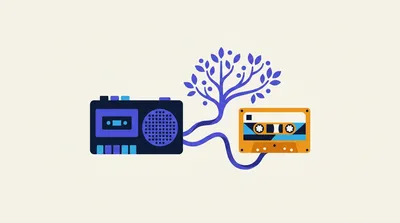
Before It's Too Late: How to Record Your Family's Oral History
Eight lectures on recording the people in your family while you still can: what an oral history is, what an old memory holds, how to ask and how to listen, what to do when the story is hard, what you can promise, how to get a recording worth keeping, and how to make sure it can still be played in fifty years. Each piece of advice comes with the research or the case that shows why.
 intermediate
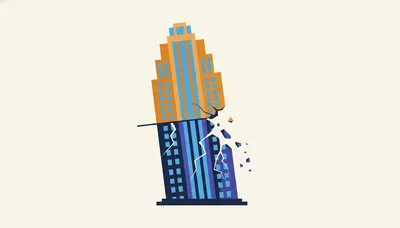
The Great Depression Explained: From the Roaring Twenties to the Crash of 1929
How did the most prosperous decade in American history collapse into its worst economic catastrophe? This course traces the boom of the 1920s, the structural cracks hidden beneath it, the crash of October 1929, and the cascade of failures that turned a market panic into a decade-long depression. You'll come away understanding not just what happened, but why a prosperous economy was quietly built to break.
 mixed
The Anthropology of Everyday Life: How Culture Shapes What We Think Is Normal
A deep, engaging journey through cultural anthropology that reveals how ritual, kinship, taboo, language, and symbol-making invisibly structure what every society calls "normal." Using classic and contemporary anthropological frameworks — from Franz Boas to Mary Douglas to Clifford Geertz — this course helps you develop a genuine anthropological lens to apply to your own daily life and assumptions.
 mixed
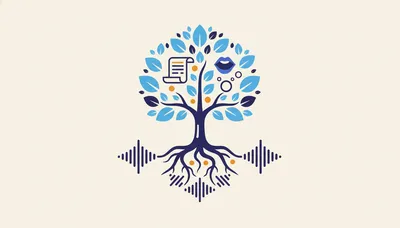
The Oral Tradition: Storytelling, Memory, and Culture Before Writing
A deep exploration of how human societies encoded knowledge, history, law, and identity through spoken word, song, and ritual before the invention of writing — and what these traditions reveal about memory, community, and the nature of narrative itself. From Aboriginal songlines to Homeric epics to West African griots, this course examines oral tradition as the original technology of the human mind.
 mixed
The History of Espionage: Intelligence, Tradecraft, and the Secret Struggles That Shaped the Modern World
From ancient scouts and Renaissance codebreakers to Cold War mole hunts and the age of cyber intelligence, this course traces how espionage evolved from a primitive art into a decisive instrument of state power. You'll learn the actual tradecraft spies use, the organizations that refined it, and the individuals — brilliant, treacherous, and sometimes both — who made or broke empires.
 intermediate
Archive Diving: A Practical Guide to Researching History Using Primary Sources
A hands-on course for anyone who wants to find out what actually happened — using census records, historical newspapers, court documents, government files, and institutional archives. Whether you're tracing a family line, writing local history, doing investigative journalism, or just satisfying a deep curiosity, this course teaches you how to locate, read, and critically evaluate primary sources in both physical archives and major digital repositories.
 mixed
Public Records & Open-Source Research: Find What's Actually Out There
A practical, no-jargon guide to locating and interpreting publicly available records — property filings, court documents, corporate registrations, FOIA requests, and digital OSINT tools. For journalists, genealogists, small business owners, and anyone who wants to verify what they're told, with no legal or technical background required.
Other Topics
Want a History & Social Sciences course that doesn't exist yet?
Tell us what you want to learn and upvote what others have requested.
Request a History & Social Sciences Course